
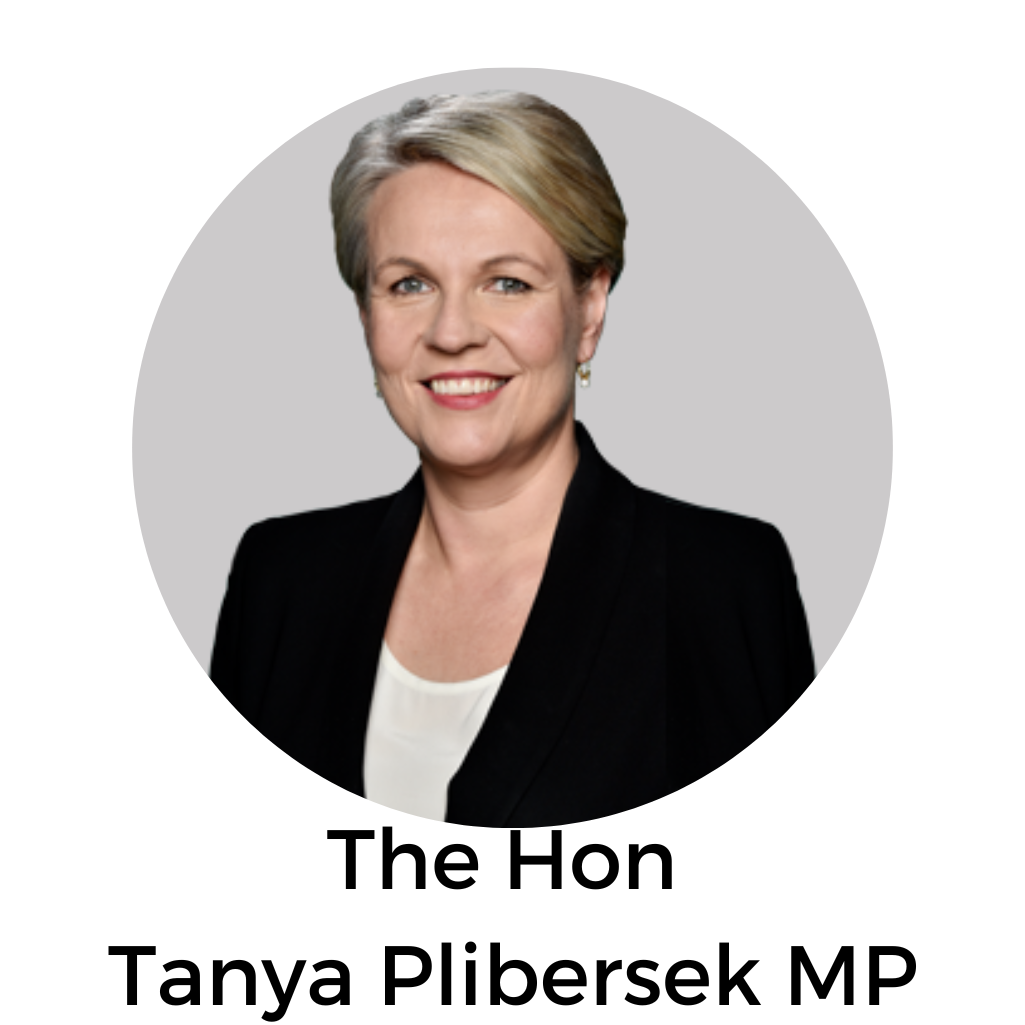
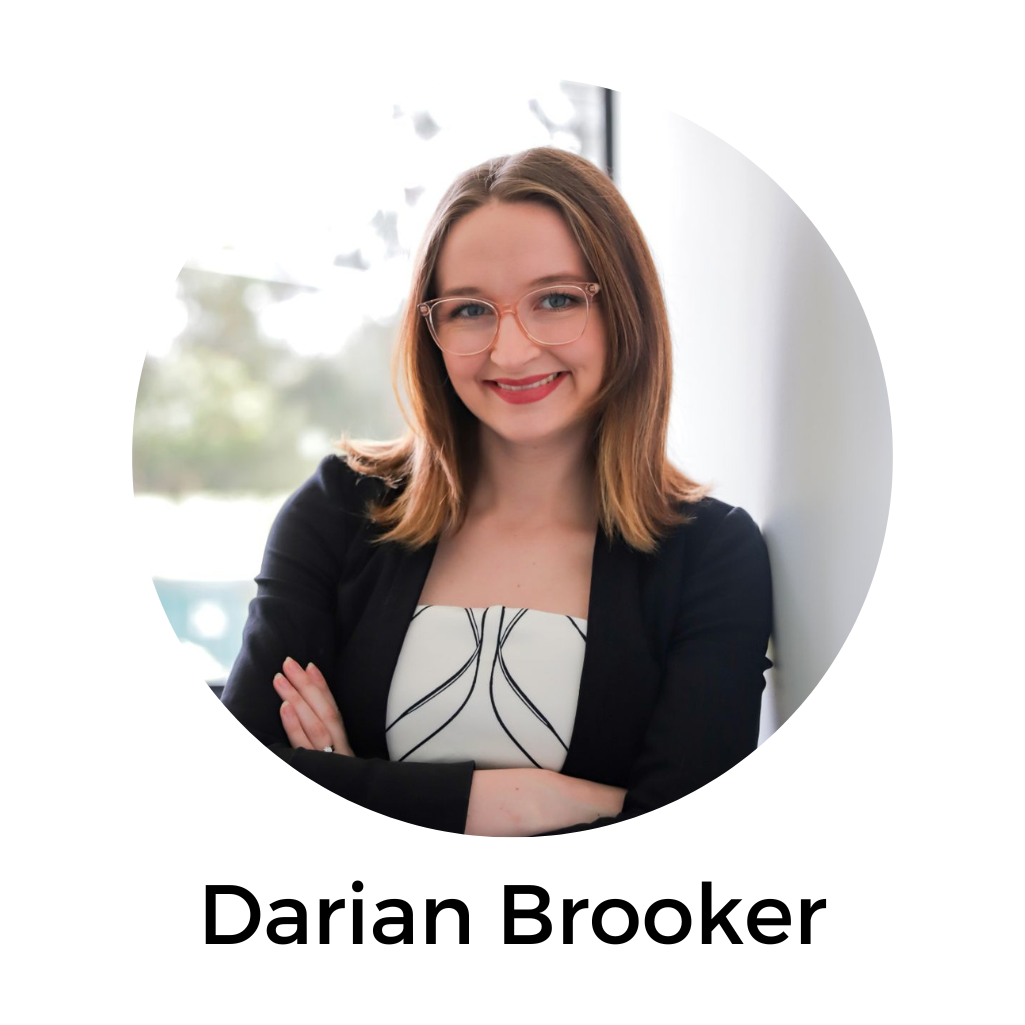
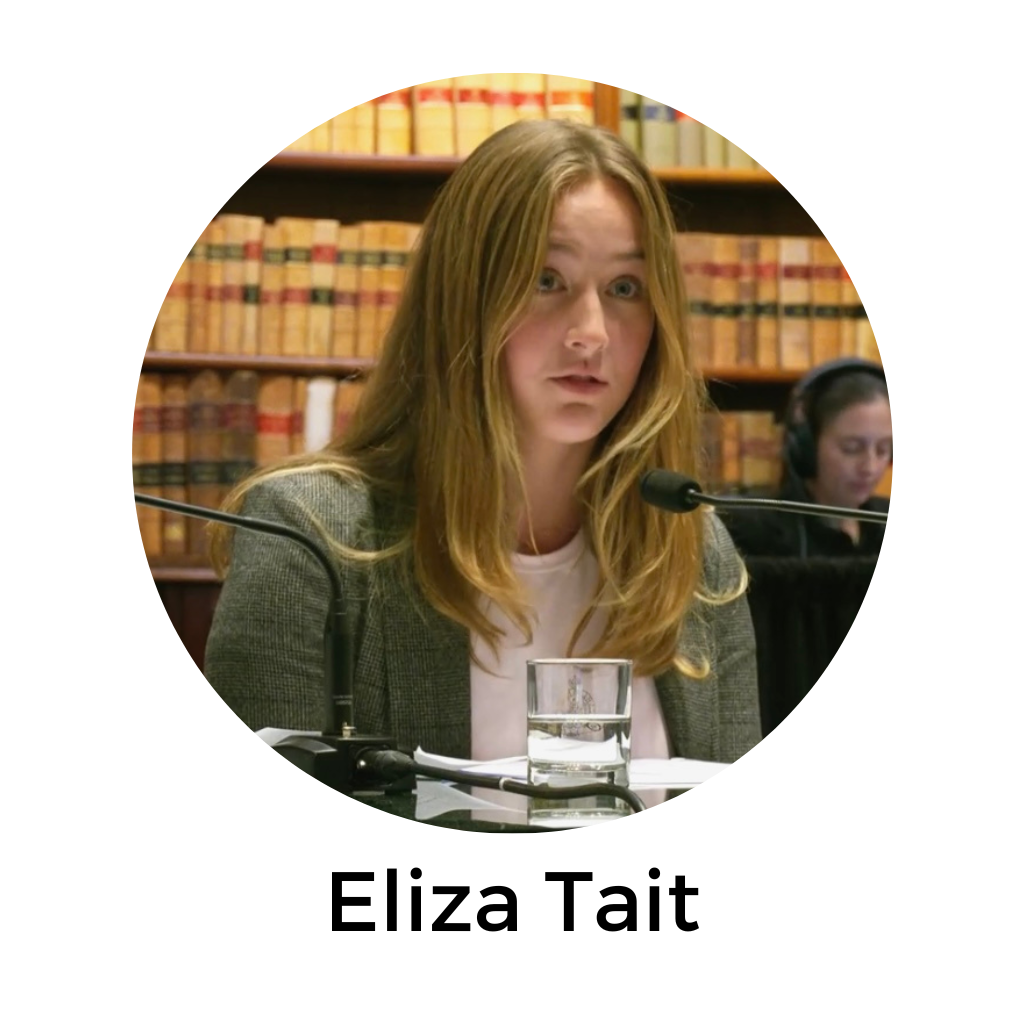


Join us for a morning of live-streamed panel discussions, beginning with opening remarks from the Hon Tanya Plibersek MP and hosted by NAPCAN Youth Advocate Darian Brooker and NAPCAN Youth Speak Out member Eliza Tait.
Friday 4 September, 9am – 12:30pm AEST
30 minutes of online networking from 12:00pm – 12:30pm.
9:30 – 10:15 AM AEST
This panel examines how to strengthen digital literacy across generations as children grow up in complex online environments shaped by misinformation, scams, artificial intelligence and risks such as child sexual exploitation. It highlights the gap between young people’s lived digital experiences and adults’ understanding, with young people calling for greater awareness of the platforms, pressures and social dynamics they navigate. This conversation is an opportunity to explore how we can better keep all children and young people safe.
The discussion reframes online safety as an issue of empowerment rather than restriction, focusing on critical thinking, resilience and informed engagement across homes, schools and communities. Panellists will explore how digital risks can compound existing inequalities for children and families with multiple and complex needs or those already experiencing disadvantage, and how services can respond earlier through accessible supports and clear referral pathways.
The panel will consider the effectiveness and next steps of current policy responses (such as screen‑time limits and social media restrictions), examine the role of platforms and systems in protecting children and young people, and identify priority actions to better equip adults and young people to navigate digital environments safely and confidently. With a young person moderating, the session centres lived experience and supports a more connected, cross‑portfolio approach to keeping children safe and supported online
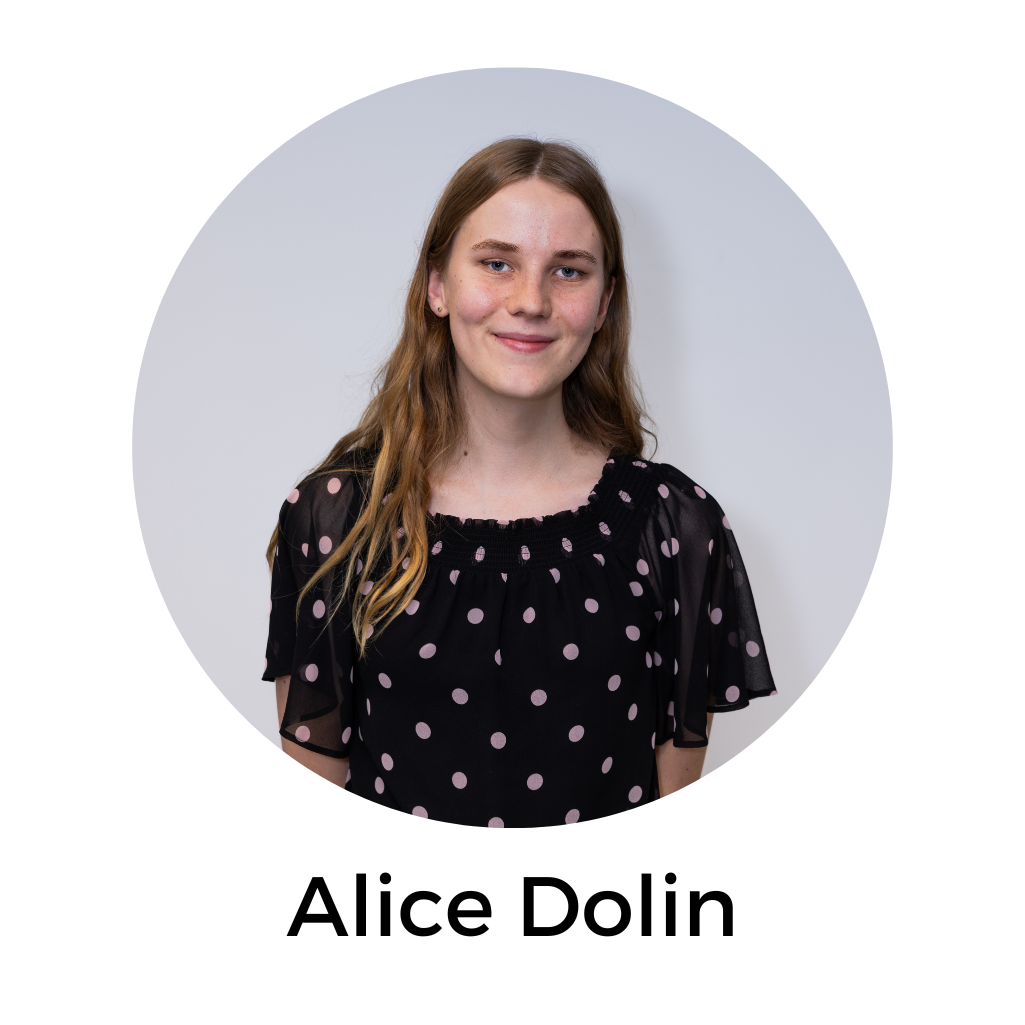
Researcher, NAPCAN
Alice works with the NAPCAN Youth Speak Out council, where she regularly guides consultations, campaigns, and policy submissions about issues facing young people. She previously sat on the council as a member.
Alice has a background in science and languages, and her areas of interest include the impact of technology on young people, the design of online spaces, and the meaningful engagement of youth voices.
She has spoken at multiple conferences about how to engage young people in decision making, and has also represented NAPCAN at NSW Parliament to argue for respectful relationships education as a tool to combat online harms.
Alice additionally works as a researcher with NAPCAN with an interest in survey design and data management. She is currently leading a research project on how to ensure the safety of young people in youth advisory councils, engaging with numerous youth councils around the sector.
Australian Centre to Counter Child Exploitation (ACCCE)
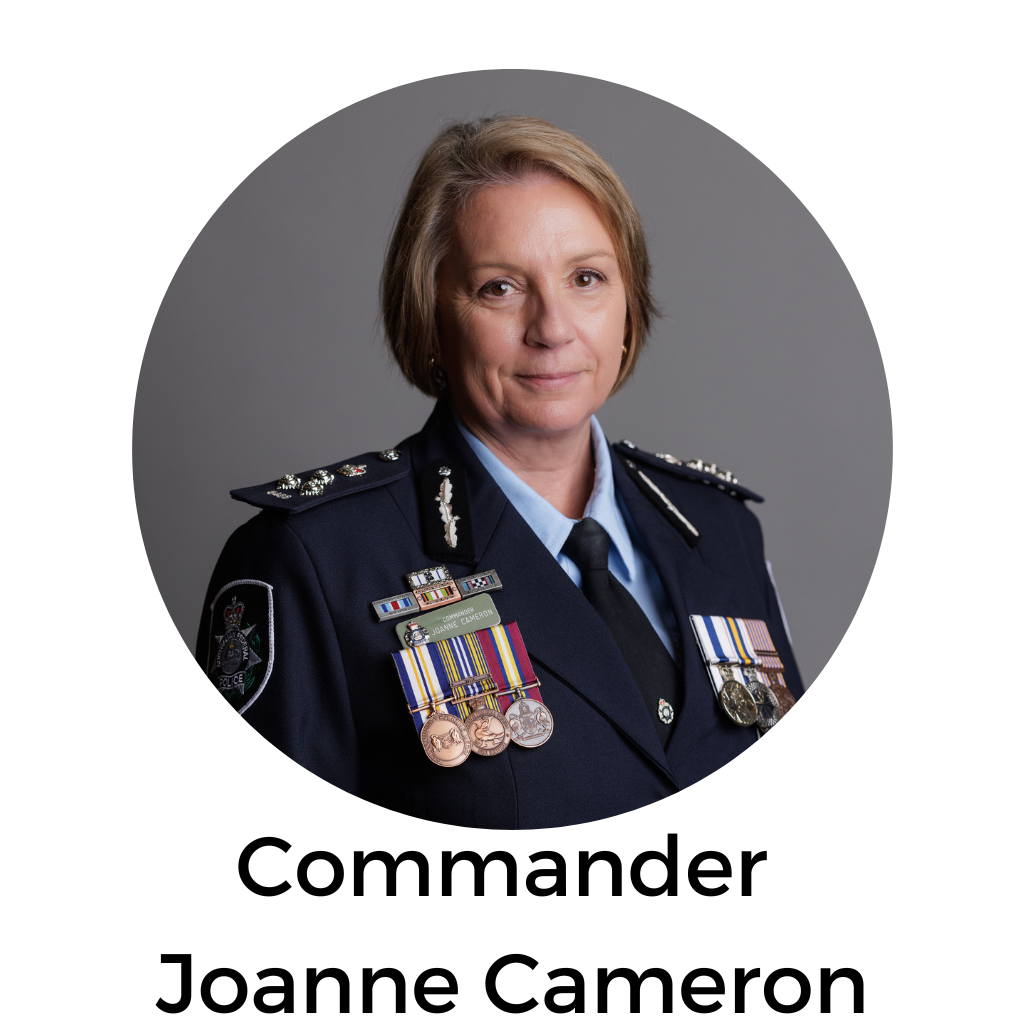
Joanne Cameron is the Commander Human Exploitation and leads the AFP-led Australian Centre to Counter Child Exploitation (ACCCE). In this role, she oversees the coordination and response to human exploitation in all its forms, including the online exploitation of children and modern slavery, with a focus on protecting and supporting victims and removing them from harm.
Joanne has served with the AFP since 1997 and has held a broad range of operational and leadership roles across ACT Policing, intelligence, covert and technical operations, forensic services, and strategic advisory positions. Her experience includes leading work on human trafficking, people smuggling, offshore harm of Australians, and community safety, as well as serving as Chief of Staff to a former AFP Commissioner. She was awarded the ACT Community Protection Medal in 2016 and the Australian Police Medal in 2023.
Joanne holds a Bachelor of Science, a Graduate Diploma in Education, a Graduate Certificate in Applied Management, and a Master of Defence and Strategic Studies.
Acting e-Safety Commissioner
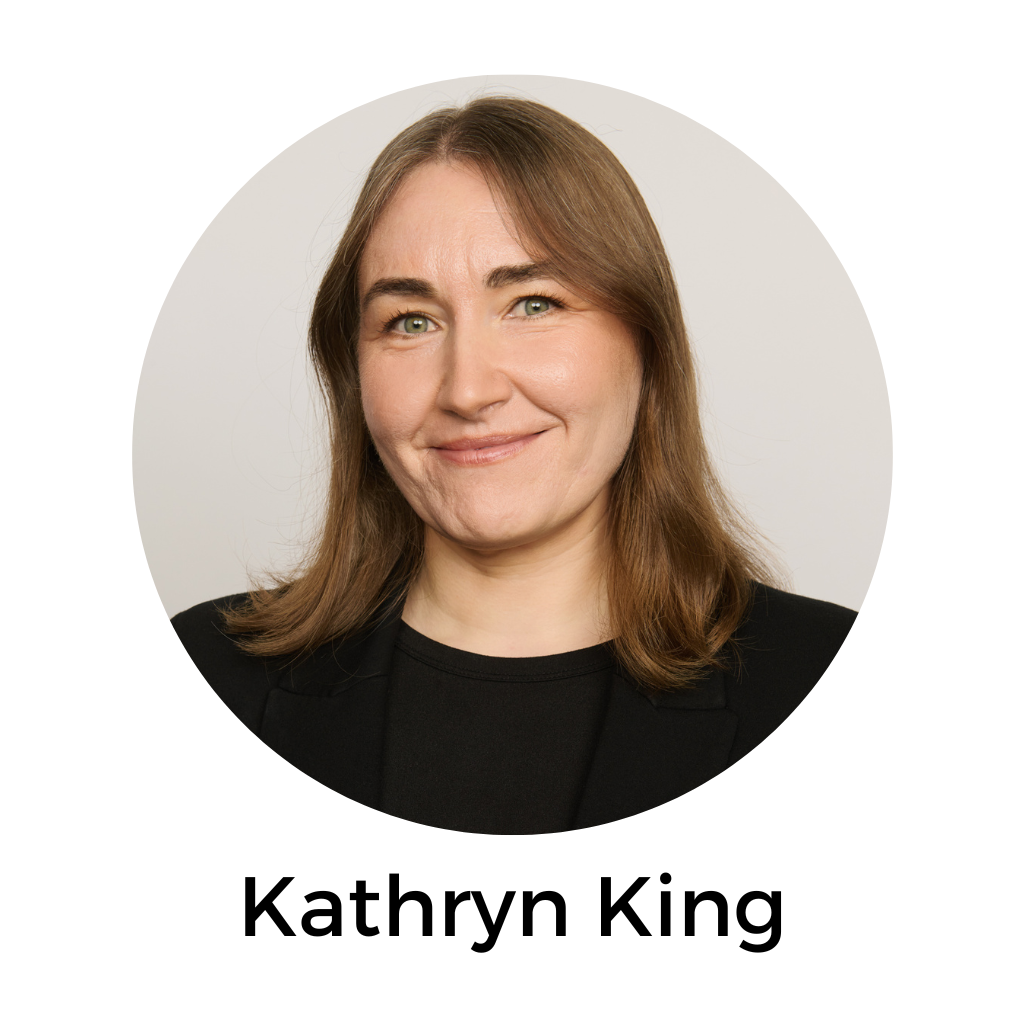
Kathryn King is the General Manager, Technology and Strategy Group and former Chief Information Officer for Australia’s eSafety Commissioner (eSafety). She has extensive experience across the private and public sector leading digital transformation and innovation initiatives.
Kathryn started her early professional career as a teacher in theUnited States, where she established her love of learning and leading others on that same journey. Over the years Kathryn has held various operational and strategic roles at major media organisations, including Channel Nine, ACP Magazines and Bauer Media, where she played a pivotal role in implementing strategies to create a digital first workforce. She has also held senior executive positions in the public service where she has established critical technology capabilities that have supported eSafety’s mission to keep Australians safe online.
These achievements have been recognised by awards such as a 2020 Webby Honoree, cowinner of the inaugural 2021 American Chamber of Commerce Award in the Digital Economy category, Innovation Australia Award Finalist recognition and most recently ranking #18 on the 2023 list of Australia’s Top 50 CIOs.
Kathryn holds undergraduate degrees in English Literature and Spanish, an MBA in Computing and Technology and various qualifications and certifications in IT governance, strategy, cyber security, and management.
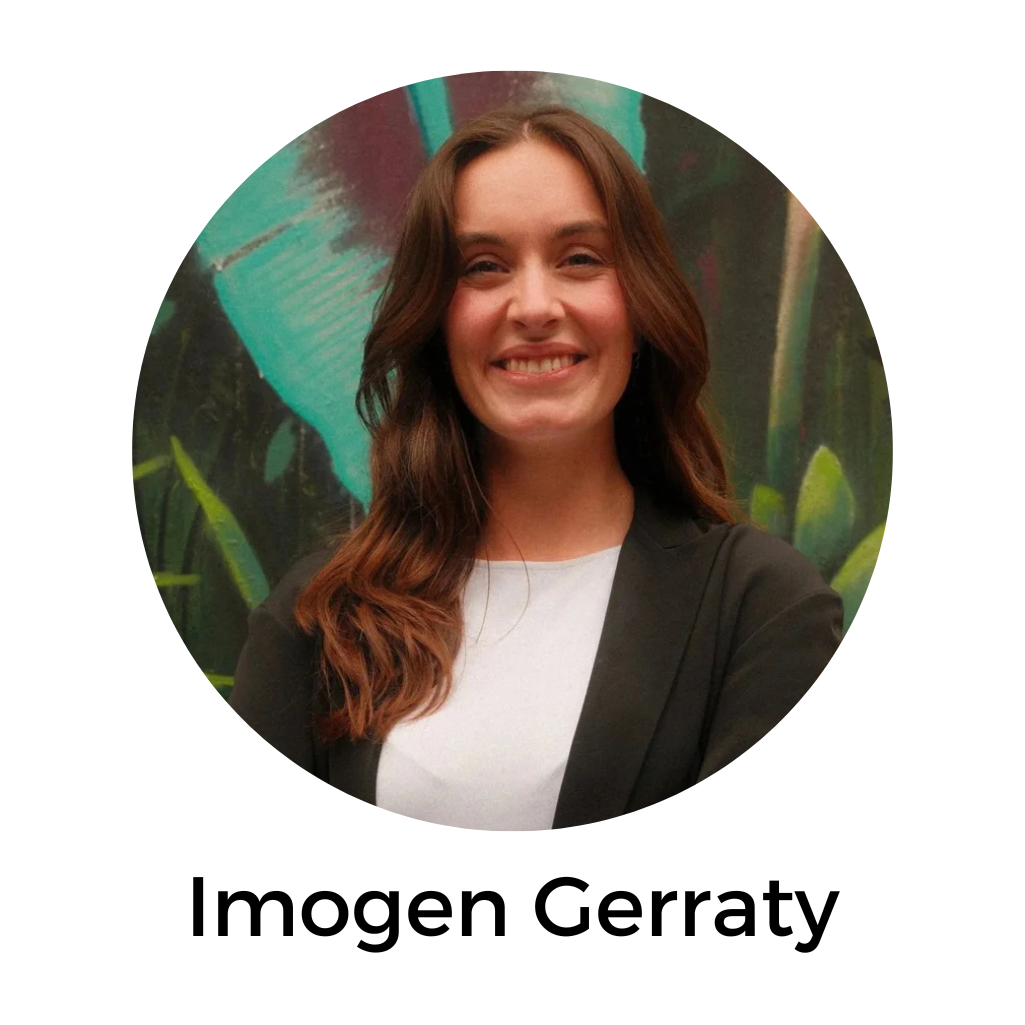
YLab Co-CEO (She/her)
Imogen is a strategy leader with deep expertise across government, community and philanthropy spaces. She is known for her relational leadership style, bold ideas and ability to navigate complex systems to drive meaningful reform.
Prior to joining YLab, Imogen led the establishment of a peak body representing children and young people – growing it into a trusted voice for the sector in under two years. Her work is grounded in her own lived experience as a young person, and a strong believe that those closest to the problem should shape its solutions.
10:40 – 11:25 AM AEST
This panel explores how misinformation and harmful media narratives about children and young people shape risk, prevention and help‑seeking, particularly for those already facing disadvantage. It will unpack how a fragmented media landscape, where young people increasingly consume news via unregulated sources like social media, exposes them to misinformation, bias and stereotypes that can distort public understanding of issues like child abuse, neglect, youth crime and family violence.
Panellists will examine how harmful representations especially impact Aboriginal and Torres Strait Islander children and families, children in out‑of‑home care, children with disability and families with multiple and complex needs, reinforcing stigma, racism and mistrust in services. The discussion will highlight how these narratives can discourage families from seeking help, fuel punitive responses and deepen existing inequalities.
Focusing on the spread of misinformation, the panel will explore what governments, services, parents, carers, journalists and platforms can do to counter harmful or misleading content and reduce its impact on children and young people. Panellists will share solutions for reducing false narratives, challenging stereotypes, promoting accurate, strengths‑based reporting and creating safer information environments for all children.
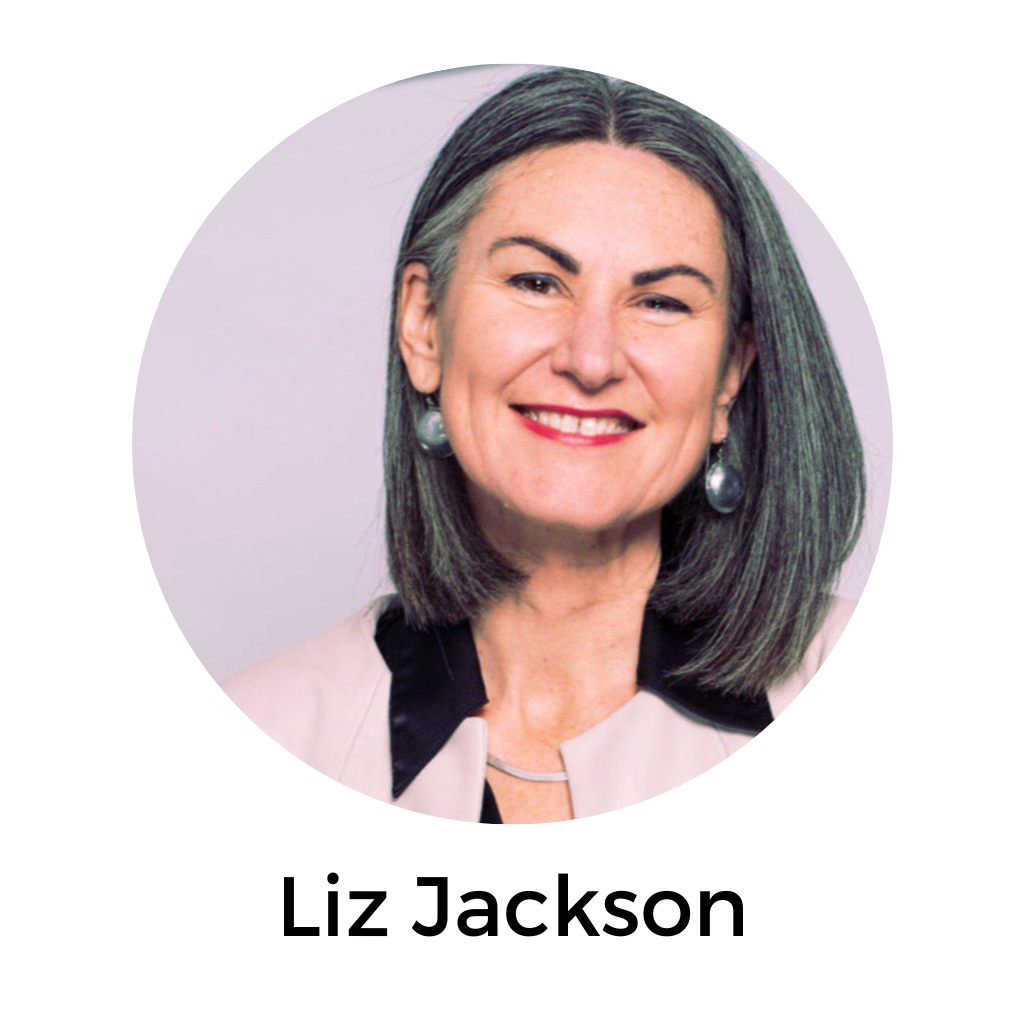
Media and Communications Strategist, NAPCAN Board
Liz Jackson is a seasoned communications strategist with deep experience in crisis management, executive briefings and strategic decision-making.
A former journalist with more than 26 years at the ABC across all platforms, she is recognised for her accuracy, integrity and credibility, and has also worked as a media adviser in Federal Parliament to former Immigration and Home Affairs Shadow Minister Kristina Keneally.
Liz is an experienced podcast producer, broadcaster and university lecturer, with strong analytical, writing and oral communication skills, and was a 2008 Fellow at the Reuters Institute for the Study of Journalism at Oxford University. She currently works as Government Relations Lead at Uniting NSW.ACT.
Journalist, author and educator
Jess Hill is a Walkley-award winning investigative journalist, author and educator whose work has transformed national conversations about family violence and coercive control. Since 2014, she has focused exclusively on domestic abuse, producing groundbreaking reporting and analysis across print, broadcast and documentary media.
Her bestselling book ‘See What You Made Me Do’ is widely regarded as a seminal text on family violence in Australia and has been adapted into a three-part SBS television series. Jess has since written the Quarterly Essays ‘The Reckoning’ and ‘Losing It’, created the award‑winning podcast ‘The Trap’ on coercive control, and presented the acclaimed SBS series ‘Asking For It’ on consent.
Alongside her writing and research, Jess is a sought‑after public speaker and advocate, having made hundreds of media appearances and spoken at nearly 400 events across Australia on coercive control, systems abuse and gender‑based violence. Her work has been recognised with multiple honours, including three Walkley Awards, the Amnesty International Media Award, three Our Watch Awards, marie claire’s Changemaker of the Year, and nomination as the 2025 NSW Australian of the Year. Jess also contributes her expertise through voluntary board roles with Stepping Out, supporting adult female survivors of child sexual abuse, and the Grata Fund, which advances democracy, human rights and climate justice.
Jess brings deep insight into how power, control and systems responses shape the lives of victim‑survivors, and what it will take to build safer, more accountable institutions for children and families.
Journalist, host of Squiz Kids
Bryce Corbett is the founder of Squiz Kids, Australia’s number one daily news podcast for kids and co-creator of Newshounds – the country’s leading media literacy program for primary school students.
Newshounds is free and teaches kids to spot misinformation and fake news when they come across it online.
Bryce is a published author and journalist of some 25 years’ experience.
He started his career as a cadet journalist at Sydney’s Daily Telegraph before moving to London to work at The Times and Mail on Sunday newspapers and Sky News UK. A ten-year stint in Paris followed, where he wrote two of his four best-selling books: the travel memoir ‘A Town Like Paris’ and ‘Memoirs of a Showgirl’ detailing his Aussie wife’s experience as a Moulin Rouge dancer. He also authored the best-selling memoirs of Rosie Batty (My Story, 2016) and Turia Pitt (Unmasked, 2018).
Upon returning to Australia, Bryce became Deputy Editor of The Australian Women’s Weekly, before joining the Australian Financial Review as a senior columnist. A stint working as a TV producer with 60 Minutes followed, before Bryce founded Squiz Kids – a kid-friendly news podcast now listened to by over 160,000 kids and their families.
Newshounds teaches kids to ‘Stop, Think & Check’ before believing everything they see online, is now in over 5,000 classrooms around the country.
In 2023, Bryce was awarded a Churchill Fellowship – to travel overseas and see how digital literacy is being taught to pre-teens in other countries around the world. At the start of 2025, he travelled to the US, the UK, France, Estonia and Finland – meeting and interviewing government officials, journalists, academics and media literacy experts. In July 2025, he produced a seven-part podcast series based on his Fellowship travels called The Big Threat.
In the course of his Fellowship, Bryce discovered that for many countries, universal digital literacy was not just a nice to have, but existential.
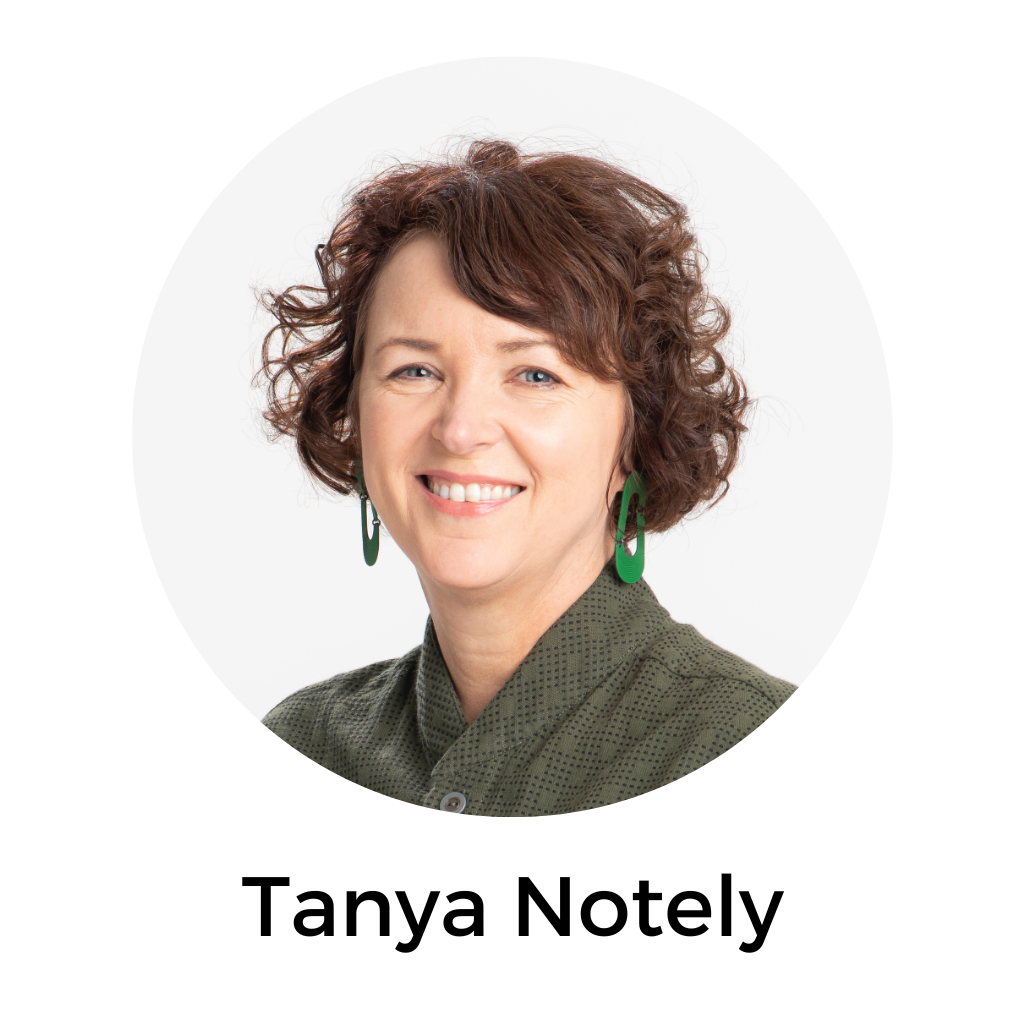
Western Sydney University Tanya Notley is a Professor in the School of Arts and a member of the Institute for Culture and Society at Western Sydney University where she leads the Advancing Media Literacy in Australia research program.
Tanya has led 12 media literacy research projects since 2017 including two ongoing longitudinal national media literacy survey projects (Young Australians and News survey and Adult Media Literacy survey). These projects have won multiple awards including from the International Council for Media Literacy.
Tanya currently leads a national adult media literacy project that collaborates with national public cultural institutions to develop evidence-based interventions to address misinformation.
She is a founding member of Australian Media Literacy Alliance and served as Co-Chair 2020–23.
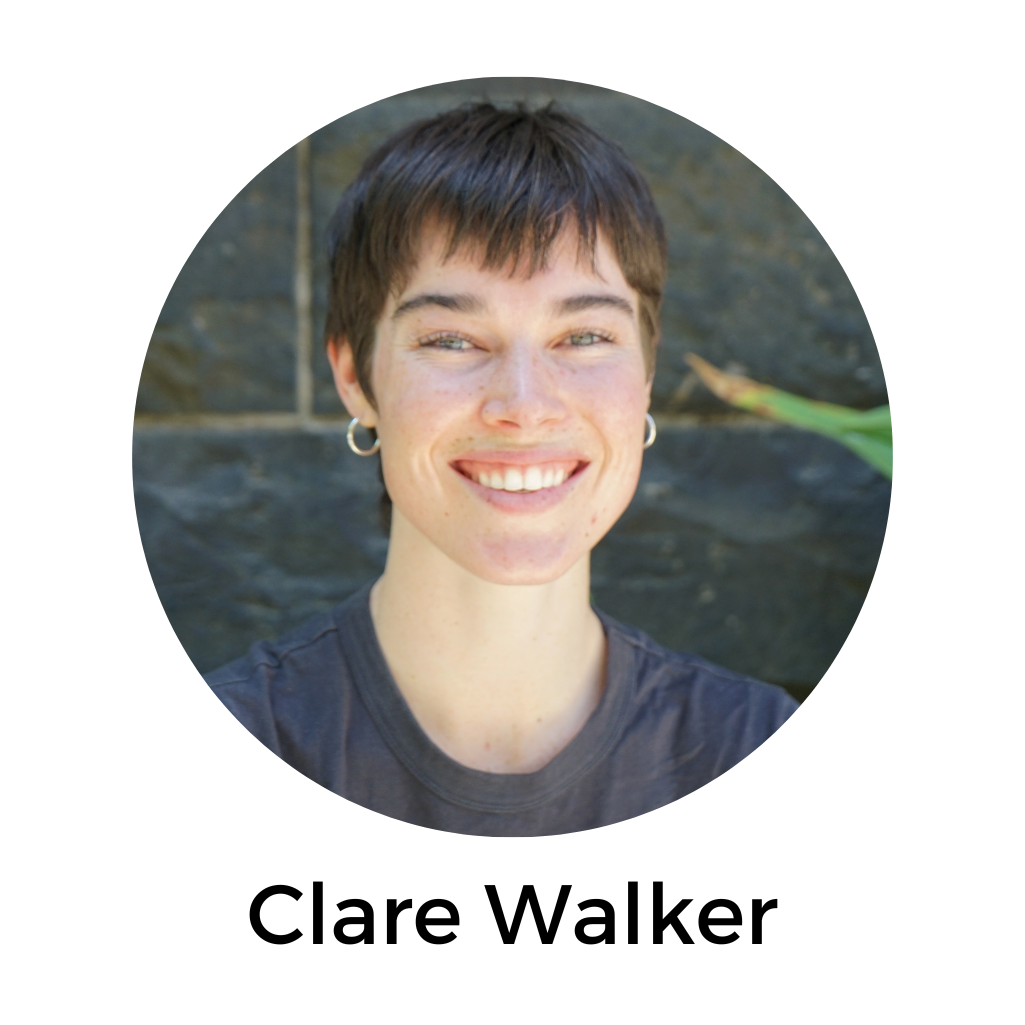
Fair Youth Coverage, NAPCAN
Clare Walker is the Communications and Campaigns Manager at the National Association for the Prevention of Child Abuse and Neglect (NAPCAN). In this role, she leads the Fair Youth Coverage campaign in partnership with the NAPCAN Youth Speak Council, where she conducted interviews with 100 young people across Australia to understand how they feel about their representation in mainstream media. Clare also contributed her own story to the series, reflecting on experiences of misrepresentation and stereotyping as a child model.
As a young person with a media degree and professional experience in radio and television production, Clare’s passion is telling people’s stories in ways that are fair, ethical and genuinely impactful. She is committed to ensuring that media portrayals of children and young people move society forward, rather than reinforcing harmful biases or holding us back.





Since 2010, more than 60 government inquiries into child protection and youth justice have produced over 3,000 recommendations. Yet many remain unimplemented, raising a critical question: why do we continue to commission new inquiries when we already have a strong evidence base for reform?
This webinar brings together perspectives from across the inquiry and reform landscape to examine what has been achieved, what continues to hold systems back, and how to translate recommendations into meaningful action for children and young people.
Matt Tyler and Kate Fitz-Gibbon will reflect on what we know from past inquiries about preventing and responding to violence, abuse and victimisation. Luke Twyford (Queensland Family and Child Commission) will provide insight into system oversight and the challenges and opportunities in driving reform.
Monash University
Matt Tyler has led internationally significant research and groundbreaking program delivery related to men’s violence, perpetrator focused child sexual abuse prevention, and addressing child maltreatment. He is an Adjunct Associate Professor at Monash University, Adjunct Associate Professor at UNSW, and member of Childlight’s East Asia & Pacific Hub Board at the UNSW. Most recently, during seven years on the Jesuit Social Services Executive team and as lead of The Men’s Project, he was responsible for leading the establishment of a program of work across research, practice and policy related to domestic, family and sexual violence including significant engagement with federal as well as state and territory governments.
Monash University
Kate Fitz-Gibbon is an internationally recognised expert in violence against women and children. She is a Professor (Practice) with the Faculty of Business and Economics at Monash University and an Honorary Professorial Fellow with the Melbourne Law School. Kate’s research examines system responses to domestic, family and sexual violence, child victimisation, interventions for people who use violence, and the impacts of policy and practice reform in Australia and internationally. Her research has shaped policy and law reform at the state and national levels, has been published in 8 books and over 50 peer-reviewed journal articles, and has been cited by the High Court of Australia.
Queensland Children’s Commissioner
Luke Twyford commenced as Queensland Family and Child Commissioner in 2021. His role includes oversight of Queensland’s child protection system, amplifying the voices and lived experiences of children, young people and families, monitoring and reviewing systemic issues, and leading implementation of Queensland’s Child Safe Organisations framework. He also oversees Queensland’s child death review and prevention functions, including recording, analysing and investigating the deaths of children.
As Commissioner, Luke has led significant oversight and reform work, including the landmark In Plain Sight report into child sexual abuse offending and systemic prevention. He has also been a strong advocate for reform of Queensland’s residential care system through major oversight work including Buyer Beware, A System that Cares and Too Little, Too Late.
Luke has more than 25 years’ experience across Commonwealth, New South Wales, Northern Territory and Queensland governments in child protection reform, governance, integrity, regulation and oversight. His passion for improving the lives of children is also personal. Growing up with parents who were foster carers shaped his commitment to safer childhoods and stronger systems for children and families.
Chief Executive, Aboriginal Family Support Services
Shona is the Chief Executive of Aboriginal Family Support Services (AFSS) in South Australia. An Eastern Arrernte woman, Shona has more than 25 years’ experience across child protection, youth justice, out-of-home care, advocacy, governance and systems reform.
Prior to joining AFSS, Shona served as South Australia’s Guardian for Children and Young People, providing independent oversight and advocacy for children and young people in care and youth detention.
Shona is passionate about strong Aboriginal community-controlled services, culturally grounded practice and creating systems where children, families and communities can thrive. She also holds a number of national and community governance roles and was recognised as a Flinders University Distinguished Alumni Award recipient in 2020.

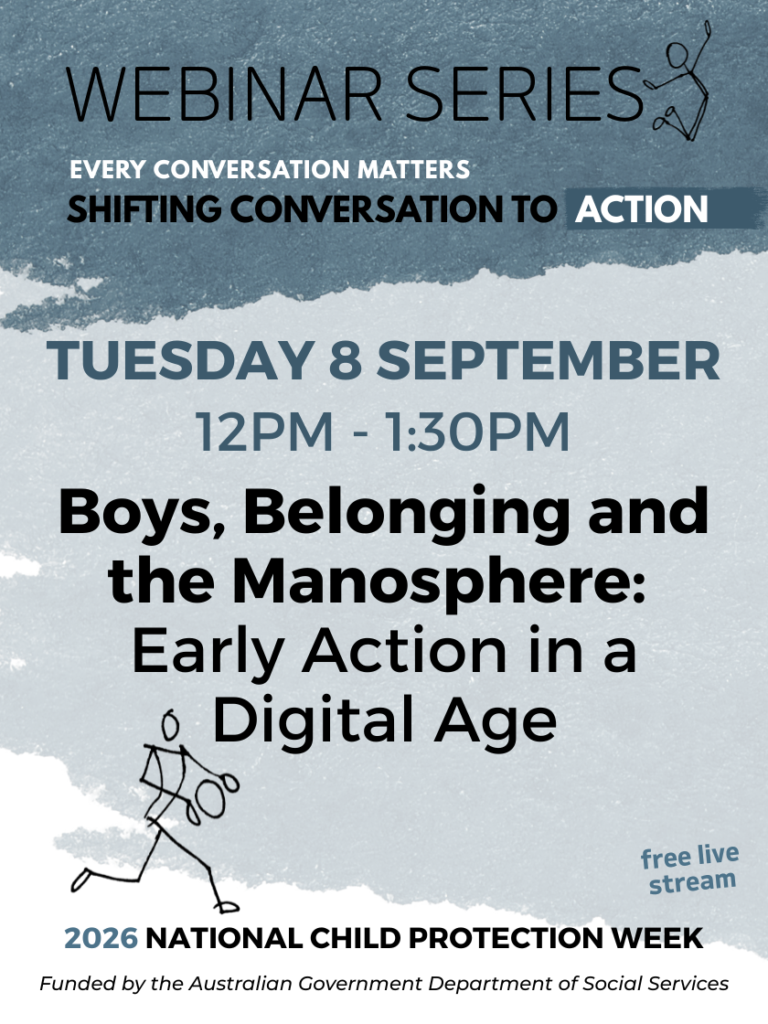

As boys and young men search for identity and belonging, online “manosphere” content has moved from niche corners of the internet into mainstream culture, shaping attitudes to gender, relationships and self.
There has been growing conversation about the Manosphere over the past year. As young men search for identity and belonging, what was once a collection of niche internet communities has now entered into mainstream culture. Politicians, celebrities, and business leaders have normalised Manosphere ideas in public discourse, while programs such as Louis Theroux’s Manosphere documentary and Netflix’s Adolescence show have shone a light on this growing phenomenon.
In this webinar we discuss the growing influence of manosphere content on young men and boys, and how it shapes attitudes towards gender, relationships and identity. We examine why this content is resonating, the impacts it is having in our classrooms, and how online platforms amplify it.
Researcher, NAPCAN
Alice works with the NAPCAN Youth Speak Out council, where she regularly guides consultations, campaigns, and policy submissions about issues facing young people. She previously sat on the council as a member.
Alice has a background in science and languages, and her areas of interest include the impact of technology on young people, the design of online spaces, and the meaningful engagement of youth voices.
She has spoken at multiple conferences about how to engage young people in decision making, and has also represented NAPCAN at NSW Parliament to argue for respectful relationships education as a tool to combat online harms.
Alice additionally works as a researcher with NAPCAN with an interest in survey design and data management. She is currently leading a research project on how to ensure the safety of young people in youth advisory councils, engaging with numerous youth councils around the sector.
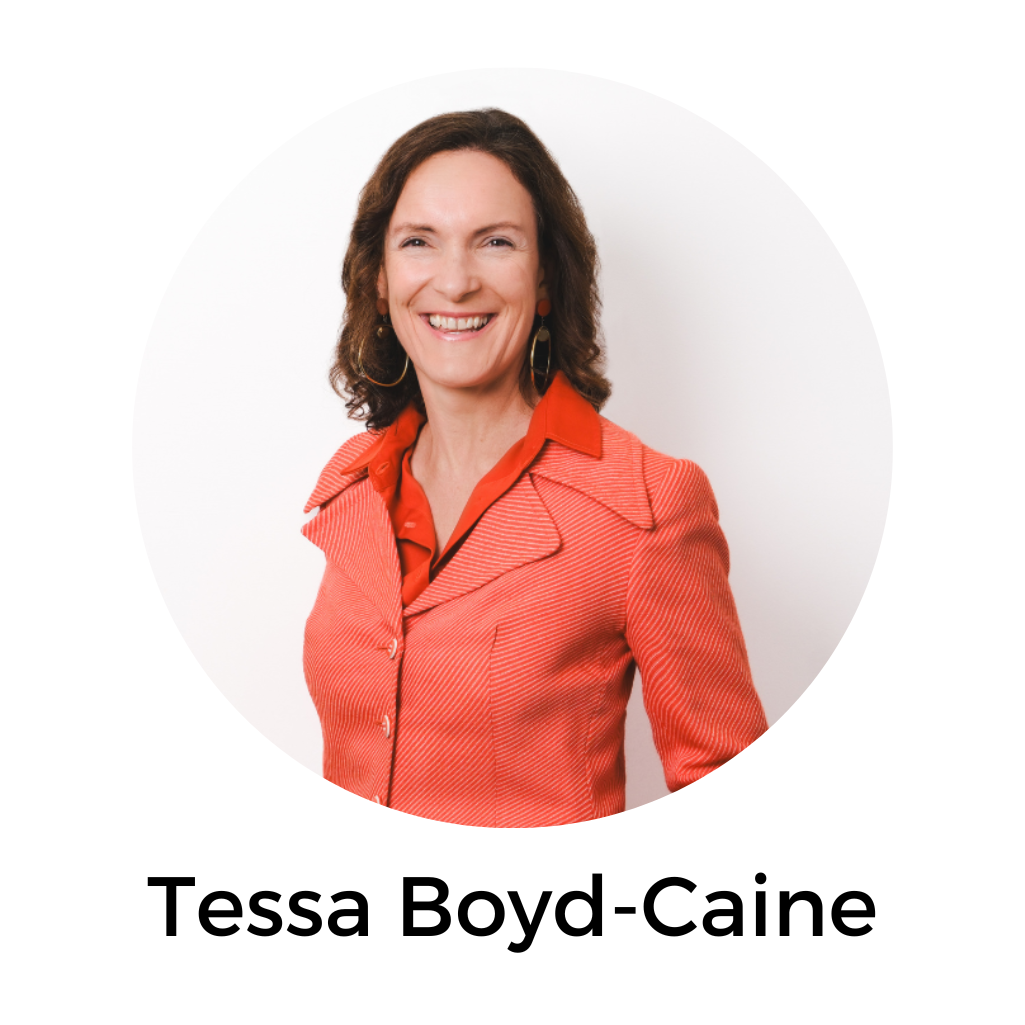
CEO, ANROWS
Dr Tessa Boyd-Caine is CEO of ANROWS, Australia’s national organisation for women’s and children’s safety research. She leads ANROWS’ work to strengthen the evidence available to prevent and respond to domestic, family and sexual violence, and to support its use across government, policy, practice and public understanding.
Tessa’s career has focused on building stronger connections between evidence, services, communities and systems. Before joining ANROWS in 2024, she was the founding CEO of Health Justice Australia, where she established and led the national centre for health justice partnership. She was previously Deputy CEO of the Australian Council of Social Service and the inaugural Fulbright Professional Scholar in Nonprofit Leadership.
Trained as a criminologist, Tessa has worked across health, criminal justice, human rights and social policy in Australia and internationally. Her PhD examined the detention and release of people experiencing mental ill-health within the criminal justice system.
She is a graduate of the Australian Institute of Company Directors and brings significant governance experience to her leadership. She is Chair of the Australian Pro Bono Centre and an Independent Director of Australian Communities Foundation.
Her public speaking and writing explore the role of partnership, evidence and institutional power in creating social change. Her TEDx talks have examined the connection between legal need and health, and the importance of more equitable approaches to philanthropy and cross-sector collaboration.
Tessa was born and raised, and lives and works, on unceded Gadigal land in Sydney.
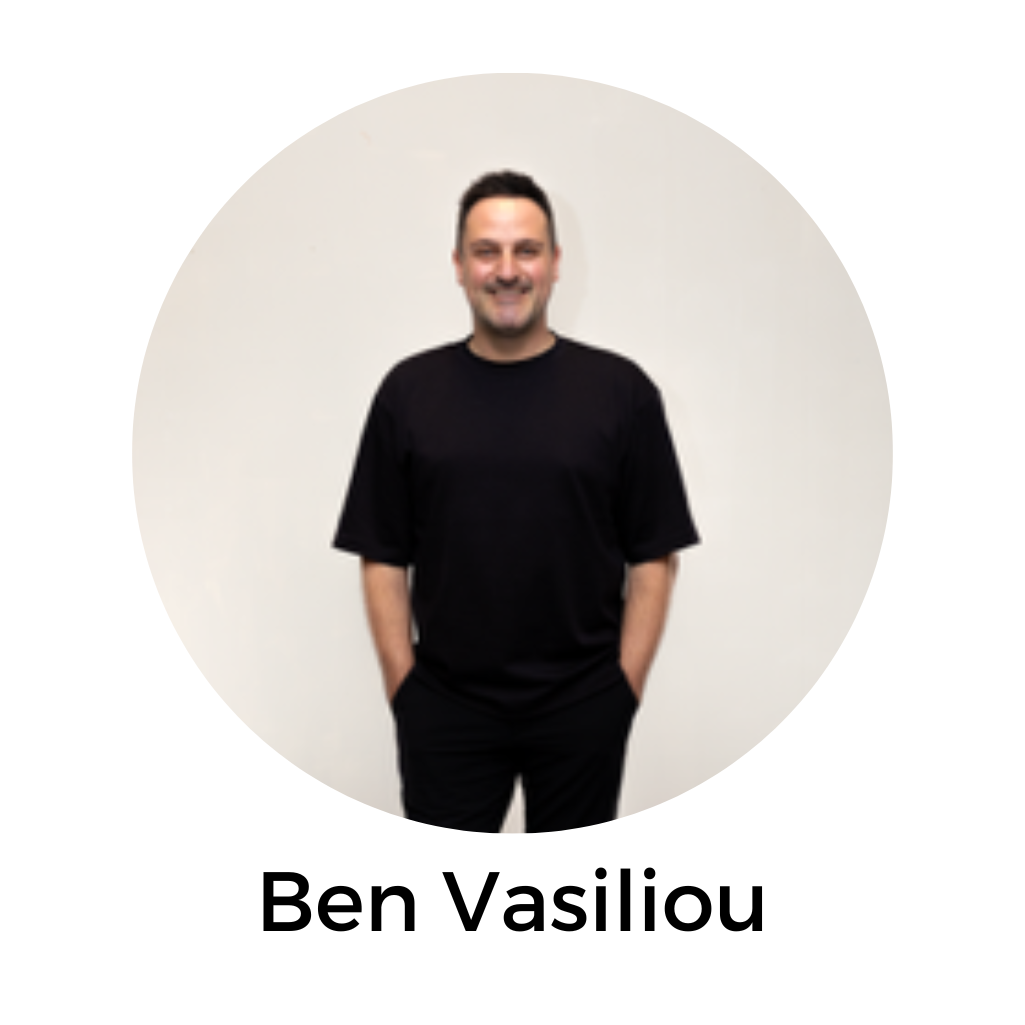
CEO, The Man Cave
Ben Vasiliou is a social entrepreneur and the CEO of The Man Cave, Australia’s leading preventative mental health charity for teenage boys and their communities. Ben is a recently published author (Better Man: Reclaiming Masculinity for good), a champion of social justice, is passionate about helping young boys become great men, and has an insatiable appetite to change the world.
He is the Chair-elect of Amplify Alliance Australia, a leading peak body for Non Profits across Australia and is a Justice of the Peace. Ben started his career as a Youth Worker grounded in lived experience and went on to graduate from the Executive Education in Social Entrepreneurship Program at Stanford University.
Most importantly, he is a devoted father of two.
Head of Research and Evaluation, Teach Us Consent
Ruby’s career has centred on building evidence that directly shapes programs, policy, and advocacy in the gender equity sector. As Head of Research and Evaluation at Teach Us Consent, she ensures all initiatives are informed by the latest evidence and oversees robust impact measurement.
Ruby brings 13 years’ experience leading national and state-wide mixed-method evaluations and reviews, using evidence and insights to drive social and policy change. With specialist skills in facilitation, stakeholder consultation and qualitative analysis, Ruby is committed to trauma-informed, culturally safe and inclusive research approaches.
Researcher, NAPCAN
Alice works with the NAPCAN Youth Speak Out council, where she regularly guides consultations, campaigns, and policy submissions about issues facing young people. She previously sat on the council as a member.
Alice has a background in science and languages, and her areas of interest include the impact of technology on young people, the design of online spaces, and the meaningful engagement of youth voices.
She has spoken at multiple conferences about how to engage young people in decision making, and has also represented NAPCAN at NSW Parliament to argue for respectful relationships education as a tool to combat online harms.
Alice additionally works as a researcher with NAPCAN with an interest in survey design and data management. She is currently leading a research project on how to ensure the safety of young people in youth advisory councils, engaging with numerous youth councils around the sector.
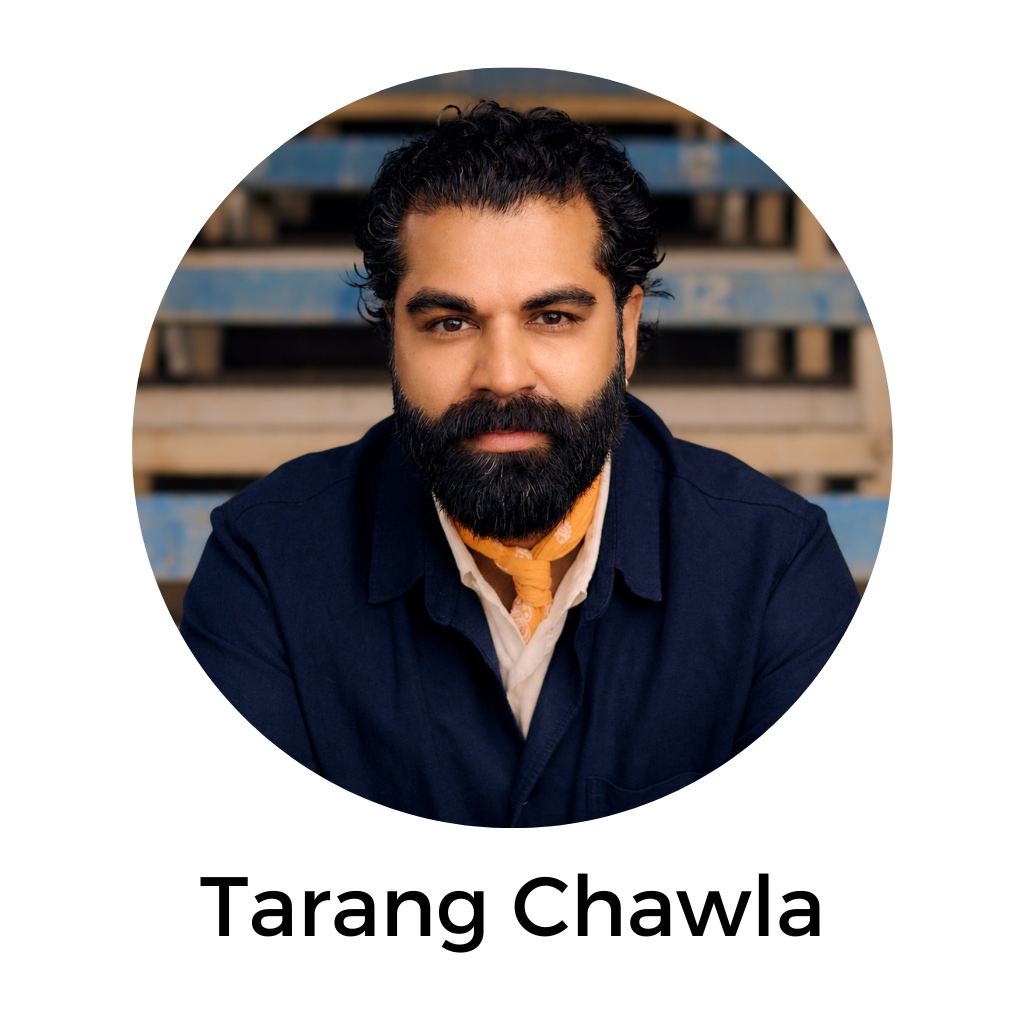
Not One More Niki, Victorian Multicultural Commission
Tarang Chawla is a nationally recognised expert and advocate working across gender-based violence prevention, masculinity, men and boys, and online misogyny. For more than a decade, he has helped shape public and policy conversations about men’s violence against women, drawing together lived experience, prevention practice, education and systems-level advocacy.
A former Multicultural Commissioner, Tarang is a sought-after speaker and commentator on the manosphere, inclusive leadership, social change, respectful relationships and the role of men in preventing violence.
CEO, ANROWS
Dr Tessa Boyd-Caine is CEO of ANROWS, Australia’s national organisation for women’s and children’s safety research. She leads ANROWS’ work to strengthen the evidence available to prevent and respond to domestic, family and sexual violence, and to support its use across government, policy, practice and public understanding.
Tessa’s career has focused on building stronger connections between evidence, services, communities and systems. Before joining ANROWS in 2024, she was the founding CEO of Health Justice Australia, where she established and led the national centre for health justice partnership. She was previously Deputy CEO of the Australian Council of Social Service and the inaugural Fulbright Professional Scholar in Nonprofit Leadership.
Trained as a criminologist, Tessa has worked across health, criminal justice, human rights and social policy in Australia and internationally. Her PhD examined the detention and release of people experiencing mental ill-health within the criminal justice system.
She is a graduate of the Australian Institute of Company Directors and brings significant governance experience to her leadership. She is Chair of the Australian Pro Bono Centre and an Independent Director of Australian Communities Foundation.
Her public speaking and writing explore the role of partnership, evidence and institutional power in creating social change. Her TEDx talks have examined the connection between legal need and health, and the importance of more equitable approaches to philanthropy and cross-sector collaboration.
Tessa was born and raised, and lives and works, on unceded Gadigal land in Sydney.
CEO, The Man Cave
Ben Vasiliou is a social entrepreneur and the CEO of The Man Cave, Australia’s leading preventative mental health charity for teenage boys and their communities. Ben is a recently published author (Better Man: Reclaiming Masculinity for good), a champion of social justice, is passionate about helping young boys become great men, and has an insatiable appetite to change the world.
He is the Chair-elect of Amplify Alliance Australia, a leading peak body for Non Profits across Australia and is a Justice of the Peace. Ben started his career as a Youth Worker grounded in lived experience and went on to graduate from the Executive Education in Social Entrepreneurship Program at Stanford University.
Most importantly, he is a devoted father of two.
Head of Research and Evaluation, Teach Us Consent
Ruby’s career has centred on building evidence that directly shapes programs, policy, and advocacy in the gender equity sector. As Head of Research and Evaluation at Teach Us Consent, she ensures all initiatives are informed by the latest evidence and oversees robust impact measurement.
Ruby brings 13 years’ experience leading national and state-wide mixed-method evaluations and reviews, using evidence and insights to drive social and policy change. With specialist skills in facilitation, stakeholder consultation and qualitative analysis, Ruby is committed to trauma-informed, culturally safe and inclusive research approaches.

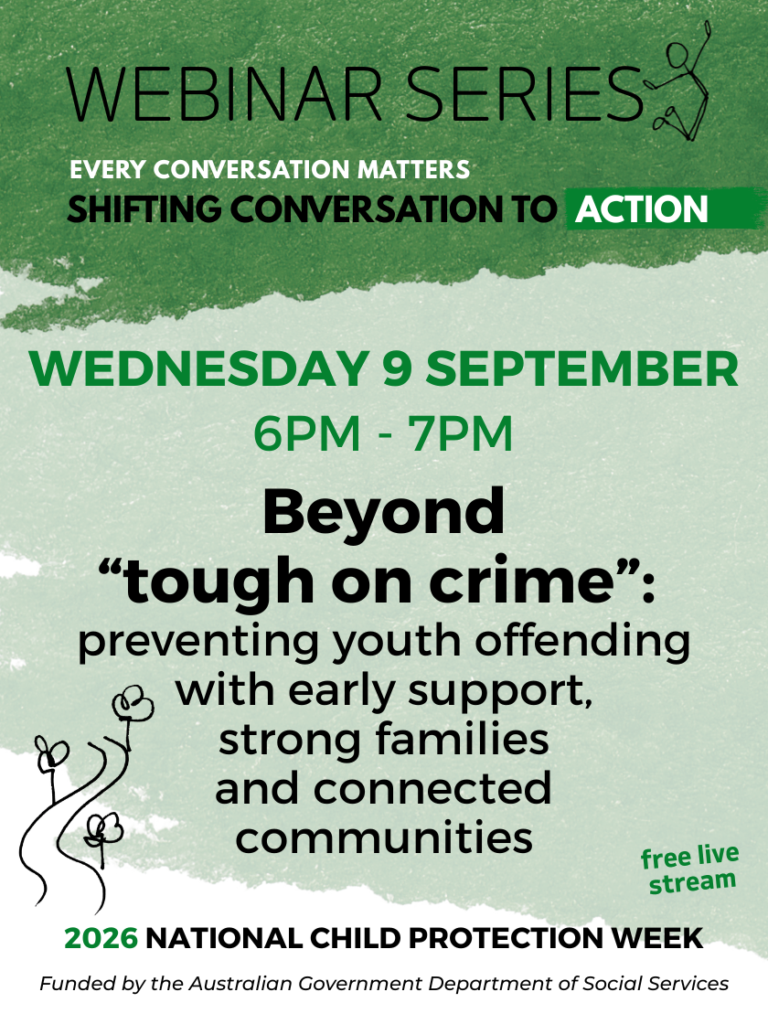
Did you know youth crime rates are decreasing in Australia? At the same time, “tough on crime” narratives persist in media and political messaging. Across the country, we’ve seen more punitive policy responses, including tougher penalties, calls to lower the age of criminal responsibility, and increasing numbers of First Nations children in detention despite evidence that incarceration does not promote long-term community safety. This webinar examines the growing disconnect between evidence and policy, and explores what is driving current approaches to youth offending.
It will explore the underlying factors that shape youth crime, including trauma, disconnection and systemic disadvantage, and consider how these are often overlooked in favour of short-term responses. Drawing on research, lived experience and frontline practice, the session will highlight what works to prevent youth offending and support young people to thrive. It will focus on the role of early intervention, mentoring, connection with family and community-based support, and how these approaches can improve outcomes for children while strengthening community safety and wellbeing.
The webinar also considers how dominant narratives shape community perceptions and policy decisions, and how shifting the conversation can support more effective, strengths-based and evidence-informed responses.
Member, NAPCAN Youth Speak Out
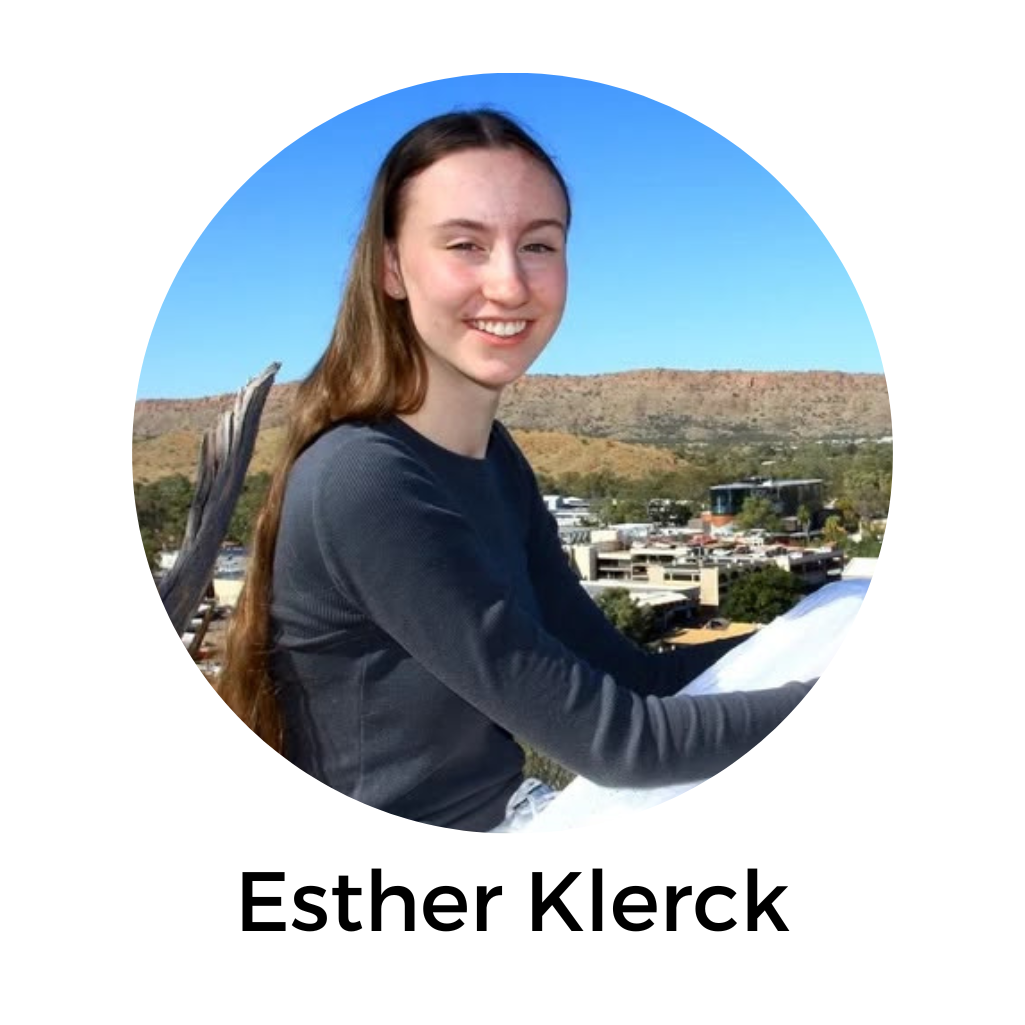
Esther Klerck is an 18 year old youth advocate from Mparntwe, Alice Springs in Central Australia. She is passionate about uplifting youth voices, fostering inclusion, and ensuring that every young person feels safe, secure and valued, no matter where they live.
Esther currently serves on the NAPCAN’s National Youth Speak Out program, as a Northern Territory Youth Week Ambassador, as the UNICEF Australia Young Ambassador for the Northern Territory, and the Northern Territory representative on the eSafety Youth Council.
Esther initially engaged in advocacy in 2024 after the Northern Territory Government lowered the age of criminal responsibility. Since then, youth justice has been at the core of her advocacy, and she hopes to one day see young people protected from the punitive justice system.
RMIT University
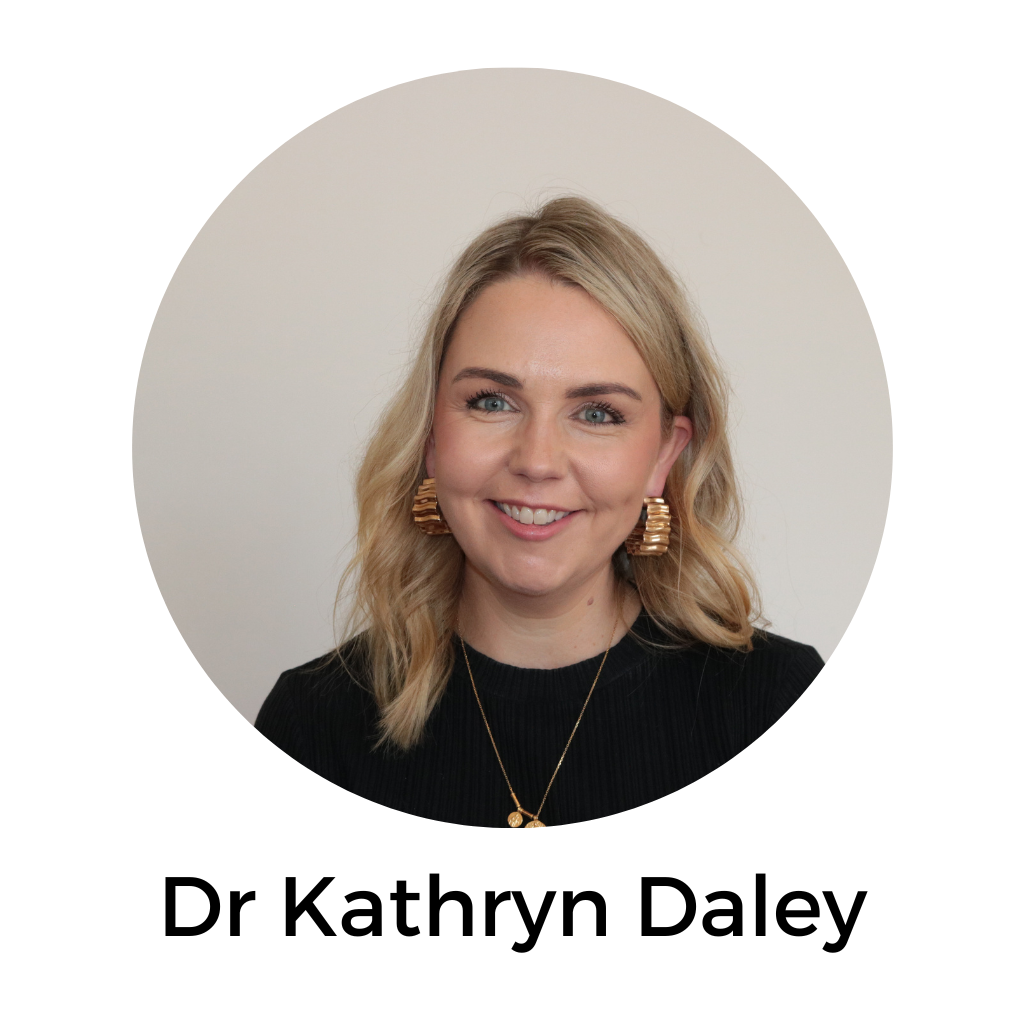
Dr Kathryn Daley is the Assistant Associate Dean of Social Science Research and Policy at RMIT University. She is also the Chairperson of Youth Workers Australia. Her work centres on improving the wellbeing of people experiencing marginalisation—especially children and young people—through research, teaching, policy engagement, and sector leadership. She is an award‑winning academic recognised for impactful research translation. Her background was as a practitioner in youth alcohol and other drug services, and with young people in the criminal justice system.
Kathryn’s current work focuses on homelessness, family violence, youth crime and intergenerational disadvantage. She leads work on service design, policy development, and guiding national data collection. In addition to her program of research, Dr Daley teaches university students in areas related to youth work, practice skills and applied ethics.
Advocate and mentor
Lueth Akue is a youth advocate, mentor and lived-experience advocate working across youth justice, youth engagement and community. He works with the Centre for Multicultural Youth and the Commission for Children and Young People, supporting young people and contributing to systemic change. Lueth is passionate about amplifying young people’s voices and creating positive pathways and opportunities for those experiencing disadvantage.
Associate Professor
Associate Professor Divna Haslam is a registered clinical psychologist and Principal
Research Fellow at The University of Queensland and the Queensland Centre for Mental Health Research. Her research focuses on the profound and long-term impact of the early
family environment, particularly childhood adversity, on outcomes across the life course,
including mental health and criminal justice involvement. Her work aims to ensure all
children have the loving, stable and violence-free childhoods they need to thrive.
A leading researcher and advocate in violence prevention, Divna’s work has informed policy and received national media attention, including front-page coverage in The Australian. She is a former ministerial appointee to the Queensland Child Death Review Board, an expert advisor to the World Health Organization, and a Director of the Parenting and Family Research Alliance (PAFRA).
Divna is currently co-lead of Young Minds: Our Future, the third Australian survey of child and adolescent mental health and wellbeing, and was a member of the research team for the Australian Child Maltreatment Study.
Deputy Chief Executive Officer, QATSICPP
Murray Benton is a proud Aboriginal (Barkindji Ngiyampaa) man from Central West New South Wales and serves as Deputy Chief Executive Officer at Queensland’s Youth Justice and Aboriginal and Torres Strait Islander Child Protection Peak (QATSICPP), where he leads statewide operations, workforce development and member services across child protection and youth justice sectors, while co-leading the organisation’s strategic leadership and reform agenda.
Murray also serves as Deputy Chair of DVConnect, Queensland’s 24-hour statewide crisis response service for domestic, family, and sexual violence, and is a member of the Child Death Review Board with the Queensland Family and Child Commission (QFCC), having been reappointed by the Attorney-General in 2026.
With frontline and executive leadership experience spanning child protection, youth justice, domestic and family violence, Aboriginal and Torres Strait Islander community-controlled organisations, peak bodies, governance and systems reform, Murray partners with government, community, and sector leaders to strengthen policy, service delivery and evidence-informed reform that improves outcomes for children, young people, families and communities.
His career spans regional crisis response, child, youth, and family services, community housing and homelessness, primary health, disaster recovery, multicultural services, and refuge settings, giving him a deep understanding of the systems that shape safety, wellbeing, and opportunity.
He holds a Master of Business Administration (Human Resource Management) and a Postgraduate Diploma in Management.

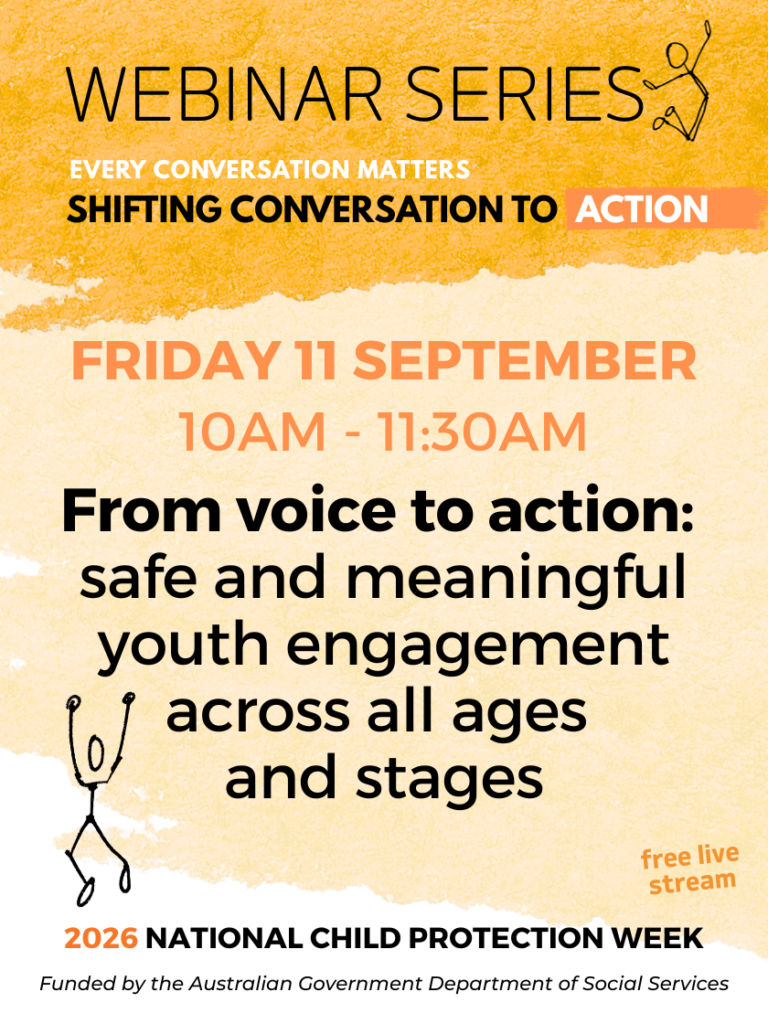

We recognise the importance of embedding children and young people’s voices in our work, but many organisations are unsure how to do this in ways that are safe, meaningful and appropriate for different ages and stages of development.
This webinar explores what genuine participation looks like across childhood, from the early years through to youth leadership. It will examine how children’s insights evolve over time and why one size fits all approaches often fall short. Drawing on research, practice and lived experience, the session will highlight what distinguishes authentic engagement from tokenistic approaches, and how to create environments where children and young people can contribute with confidence.
Through practical examples across education, community and policy settings, the session will consider how organisations can move beyond consultation towards shared decision making. It will focus on how to support children and young people to actively shape the decisions that affect them, and how this leads to safer, more responsive systems and communities.
Youth Advocate, NAPCAN Youth Speak Out
Ruby has been a member of the NAPCAN Youth Speak Out Council since 2024, contributing to campaigns and consultations. After finishing her HSC in 2025, she will continue her tertiary studies in the field of law to strengthen her advocacy for youth and ensure their voices drive real action. Ruby is deeply committed to ensuring that the voices young people are not just heard, but turned into actions.
Northern Rivers Preschool, Byron Bay
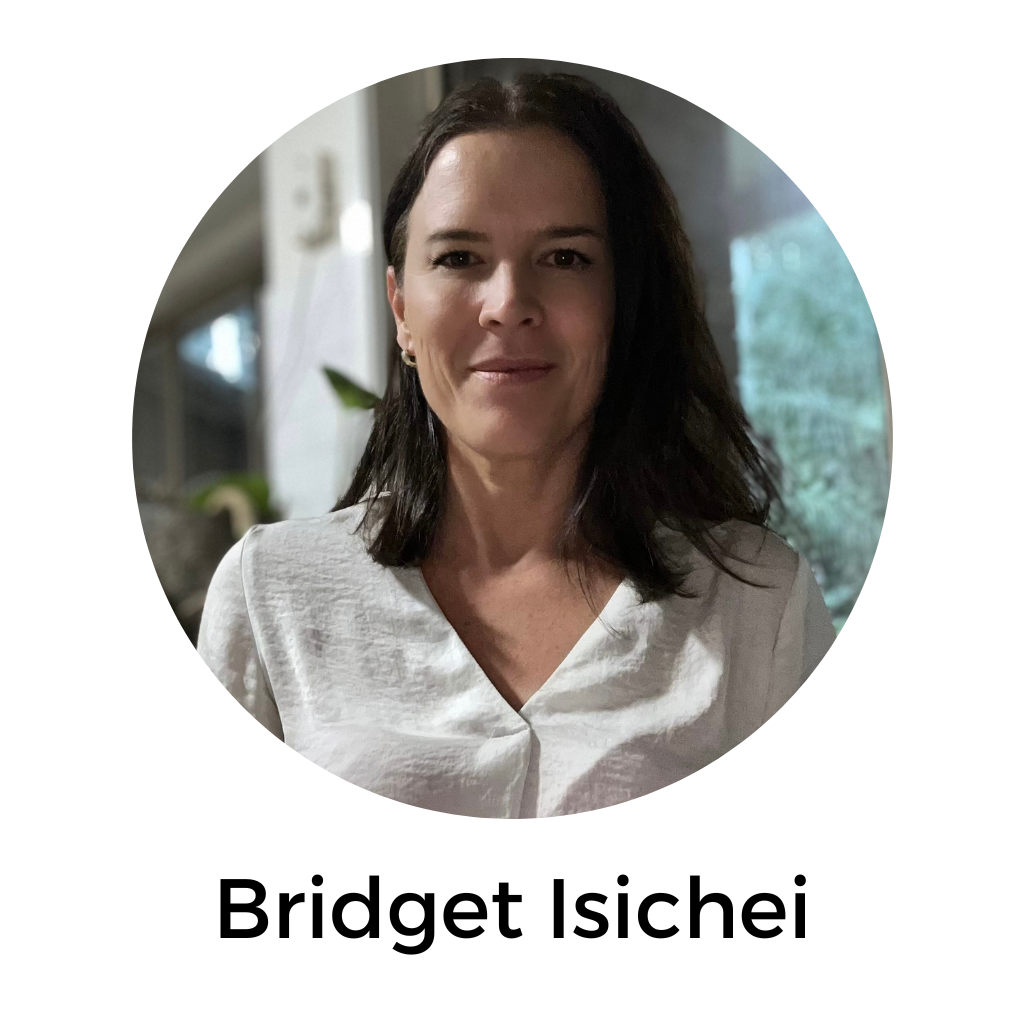
Bridget Isichei is the director of two ‘excellent rated’ preschools in the Northern Rivers of NSW. Bridget has a master’s degree in educational leadership, and a Bachelor of Education (Early Childhood). She has 27 years of experience in across a variety of roles in the ECEC sector, in New Zealand, England, Thailand, Vanuatu and Australia. Bridget is currently president of the Northern Rivers Preschool Alliance, editor of Early Childhood Australia’s (ECA) Everyday Learning Series and is a member of ECA’s Publications Advisory Panel.
Bridget is a strong advocate for children’s right to lead, participate, have a voice and influence change in the Australian Early Childhood context. Bridget is driven to continually push for excellence in ECEC, knowing the life altering effect quality centres have on children across their lifespan.
Anglicare Victoria, Cardenia communities for children
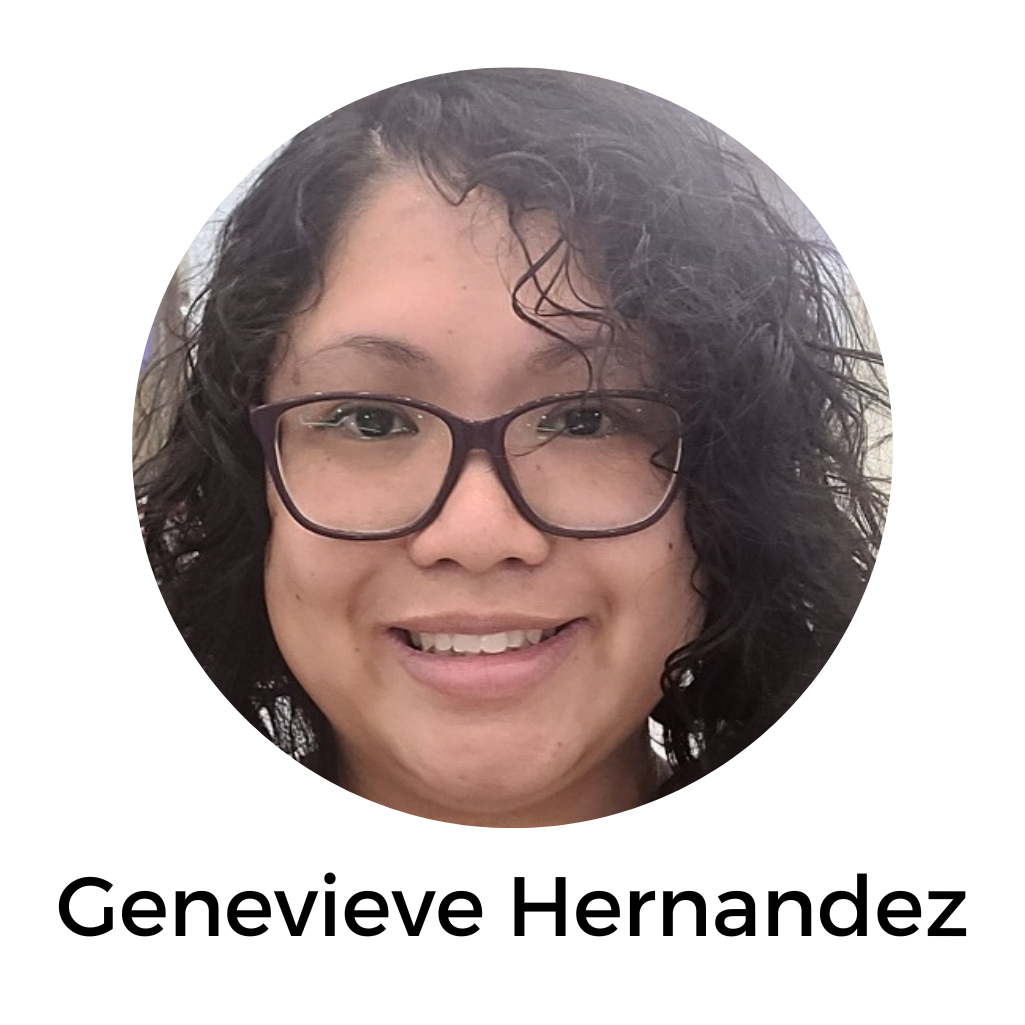
Gen Hernandez has nearly 15 years of experience in both statutory and voluntary family services work. Competent and skilled in working with families and individuals with complex needs such as family violence and experience in working with CALD backgrounds. Gen has a strong academic background with Honours in Social Work, plus training in trauma-responsiveness, family violence, refugee and asylum-seeker, suicide ASSIST, multicultural competence, and experience in research, developing and delivering projects.
Gen is committed to child rights and creating positive environments, particularly for children and families to thrive in the community.
Practical implementation/sector perspective
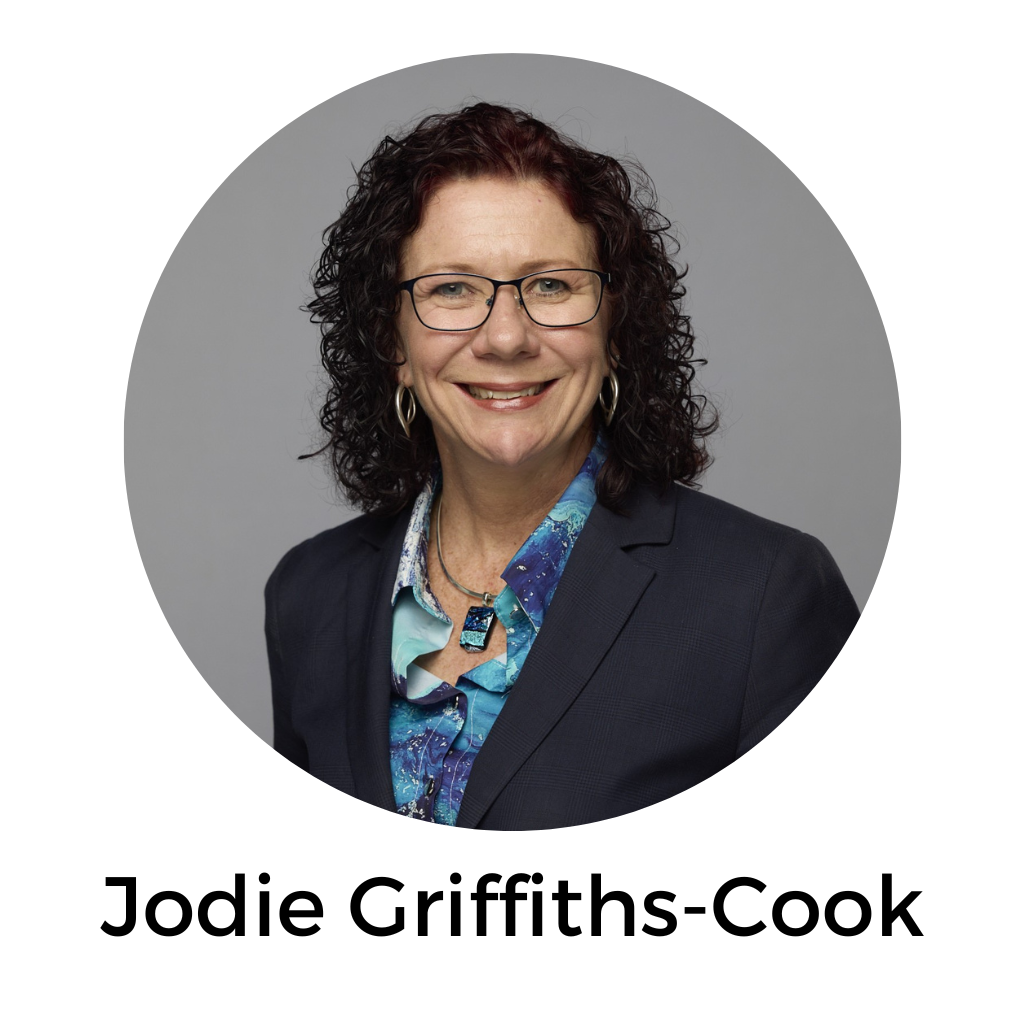
As the ACT Public Advocate and Children and Young People Commissioner, Jodie Griffiths-Cook is committed to empowering children and young people by creating opportunities to amplify their views about issues that matter to them. Jodie’s work is grounded by her other full-time job as Mum to her four children and as an auntie and trusted adult to many more. In her role, Jodie actively seeks the views of children and young people and uses what she hears to influence public policy and decision-making.
With over 30 years’ experience in human services, Jodie is committed to protecting and promoting children’s rights, safety, and wellbeing through child-safe, child-aware, and child-friendly practice.
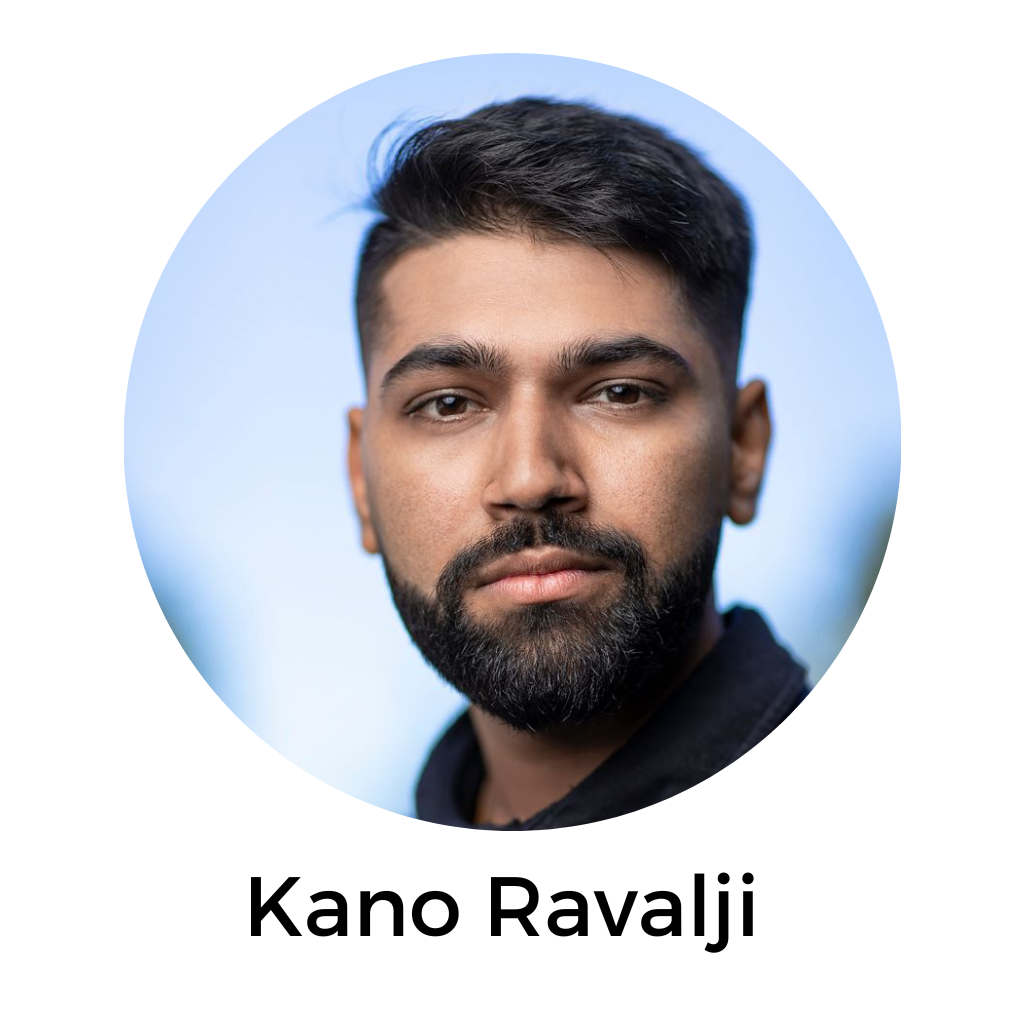
Krushnadevsinh (Kano) Ravalji is the Founder and CEO of Third Culture Australia, a youth-led organisation working across Australia to challenge racism and build belonging. Third Culture works with more than 15,000 young people each year through anti-racism, leadership and youth engagement programs.
A former Youth Commissioner with the Victorian Multicultural Commission, Kano has worked across government, education and community sectors to strengthen youth participation and ensure young people have a genuine say in the decisions that affect them. He has co-authored research with the Australian National University on racism among young Victorians and regularly speaks on youth engagement, belonging and leadership.

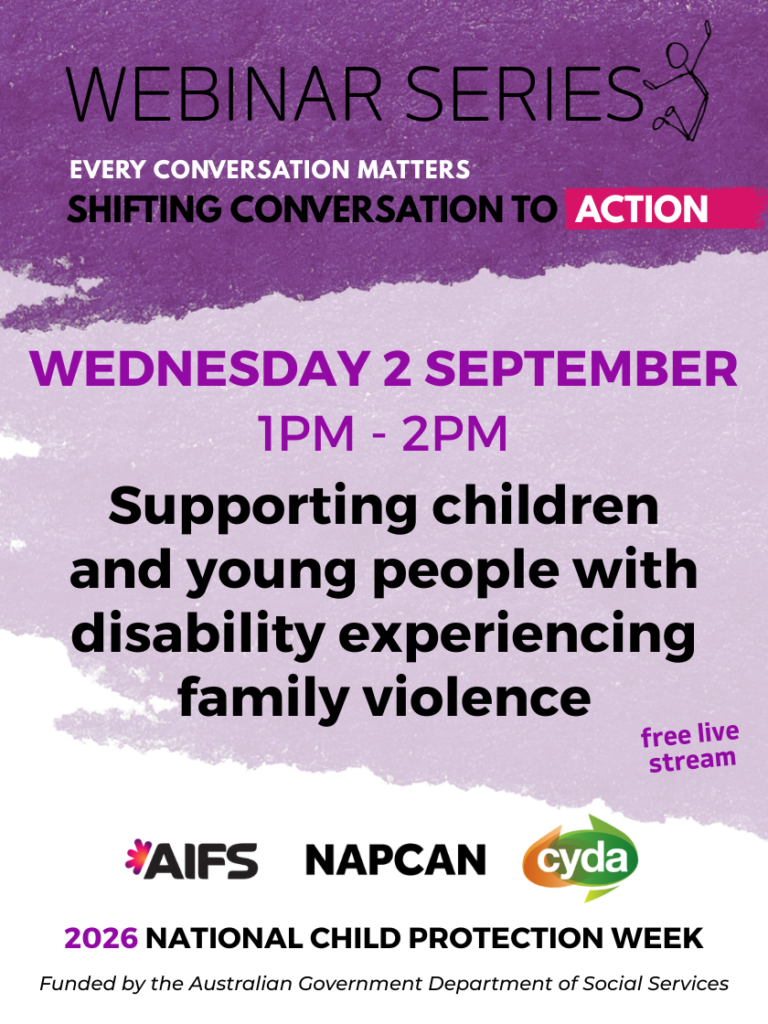



This webinar will explore how service providers can better support children and young people with disability who are experiencing family violence.
Children and young people with disability experience higher rates of family and domestic violence than their peers without disability. However, the experiences of this cohort are often overlooked in research, policy and practice.
In 2025–26, Children and Young People with Disability Australia (CYDA) and AIFS partnered on the Safety Beyond Barriers: Diverse Family Perspectives on Violence and Disability project. Through a co-design team with lived and family experience of disability from LGBTIQA+, First Nations, multicultural and regional and remote backgrounds, this project examined how children and young people with disability from diverse backgrounds experience family and domestic violence in Australia.
In the lead up to National Child Protection Week (6-12 September), AIFS is proud to partner with the National Association for Prevention of Child Abuse and Neglect (NAPCAN) and CYDA to bring you some of the findings from this important project.
Bringing together research, lived experience and practitioner expertise, this webinar will provide insight into how service providers can better support children and young people who have experienced family and domestic violence. It will describe what good support looks like and how service providers can strengthen accessibility, inclusion, trauma-informed care and relational safety.
This webinar will give you:
Dr Liz Hudson has over two decades of experience in disability, mental health and community service leadership, with demonstrated expertise in research, advocacy and inclusive practice. Liz currently serves as Policy and Research Manager at Children and Young People with Disability Australia (CYDA), where she leads a team delivering systemic advocacy and inclusive research. She manages policy and research projects focused on disability rights, with responsibility for team leadership, funding acquisition, and stakeholder engagement, including with government. Liz holds a PhD in the social sciences, awarded through a scholarship jointly supported by RMIT University and the Victorian Council of Social Services. Her doctoral research critically examined barriers faced by people with psychosocial disability transitioning to the NDIS, with a focus on systemic discrimination and exclusion. Her research portfolio spans inclusive education, recovery-oriented mental health services, employment and disability policy – often through academic-community partnerships.
Lucy Solonsch (she/they) is a passionate queer, disabled young (…ish) person with six years of experience working to create systems change across LGBTQIA+ health, mental health and disability advocacy. They sit on multiple national and South Australian advisory groups and have been a community and professional educator for nine years. Lucy is skilled at using her professional experience, lived experience, and her authentic connection to lived experience movements, to deliver trainings, manage projects and lead co-design processes strengthening the rights and autonomy of marginalised communities.
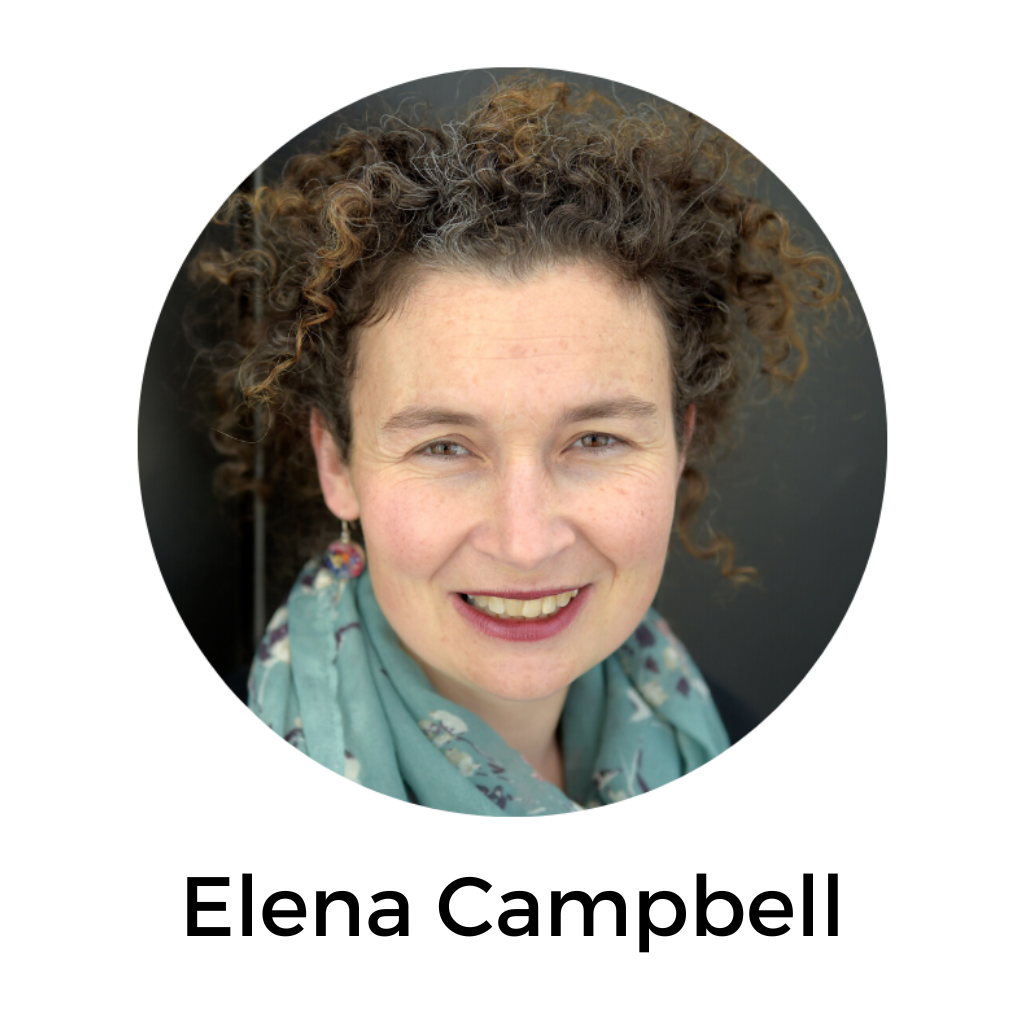
Elena Campbell has worked in legal and social policy and research for more than 25 years. She has deep expertise in gender-based violence, particularly interventions with people using violence and the experiences of children and young people. Elena recently joined the Australian Institute of Family Studies as Child & Family Safety Theme Head, where she leads work focused on understanding national progress in preventing and eliminating violence against women and children. Previously, at RMIT University’s Centre for Innovative Justice, she oversaw research examining the relationship between trauma and contact with legal processes, including in family, domestic and sexual violence, and young people’s and women’s contact with the criminal justice system. She has led projects for government departments and courts supporting implementation of Victoria’s Royal Commission into Family Violence recommendations and was Chief Investigator on ANROWS-funded projects focused on interventions with adults using family violence.

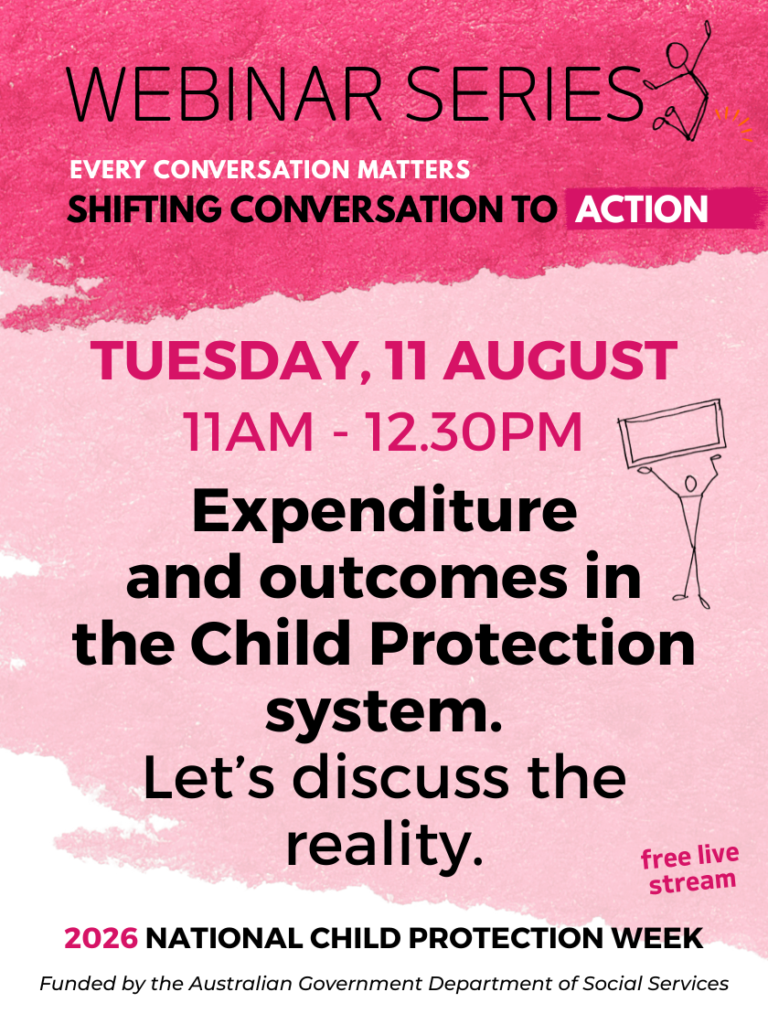


Governments are making significant, ongoing investments in Australia’s child protection system, reflecting a shared commitment to improving outcomes for children and families. This webinar explores why current spending is not yet delivering the outcomes we need, and where impact can be strengthened.
Bringing together policy and practice perspectives, the session will examine how funding can better support a prevention-focused system aligned with the Safe and Supported framework, prioritising early intervention, strengthening families, and keeping children safely connected to their communities. It will also consider how systems can be shaped by the voices of children and young people.
Drawing on national data and cross-jurisdiction insights, the webinar will explore key trends in child protection and out-of-home care, and how investment decisions influence outcomes. It will highlight opportunities to invest earlier, improve long-term outcomes, and make more effective use of resources, alongside a youth perspective on what timely, meaningful support looks like.
Lumenia, Expenditure Analysis and Investment Insights
Mark Galvin is an economist and social policy advisor with over 20 years’ experience across consulting and state government, specialising in public policy, program evaluation, and human services.
As Co-Founder of Lumenia, he supports governments and for-purpose organisations to design more effective, prevention-focused systems that improve outcomes for children and families. Previously, Mark was a Partner at a global professional services firm, where he led human services and program evaluation work and managed the NSW Department of Communities and Justice relationship.
Mark has advised all tiers of government and ministerial councils, with a focus on using evidence and investment insights to strengthen early intervention, support families, and deliver better long-term outcomes in the child protection system.
ACU Institute of Child Protection Studies, Deputy Director
Professor Tim Moore is Associate Dean (Partnerships) in the Faculty of Education and Arts and Deputy Director at the Institute of Child Protection Studies and an internationally recognised child and youth researcher and children’s rights advocate. With over two decades of experience, his work spans child protection, youth justice, homelessness, residential care, young carers, and the prevention of child sexual abuse.
Tim has advised major inquiries and commissions, including the Royal Commission into Institutional Responses to Child Sexual Abuse, and has contributed to local, national, and international initiatives to improve outcomes for children and young people.
He leads the Institute’s child-inclusive and child-informed research and practice, focused on strengthening systems and services to better respond to the needs and expectations of children, young people, and their families.
Australian Institute of Health and Welfare
In 2026, Tim commenced as Head of the Child Welfare Unit at the Australian Institute of Health and Welfare (AIHW), which collates and publishes reporting drawn from the Child Protection National Minimum Data Set (CP NMDS).
The CP NMDS is an annual collection of information on child protection in Australia. It contains data on children who come into contact with State and Territory departments responsible for child protection.
Prior to joining the AIHW, Tim worked for many years in the National Indigenous Australians Agency providing and publishing evidence to support government policy across a wide range of health, social and economic domains.

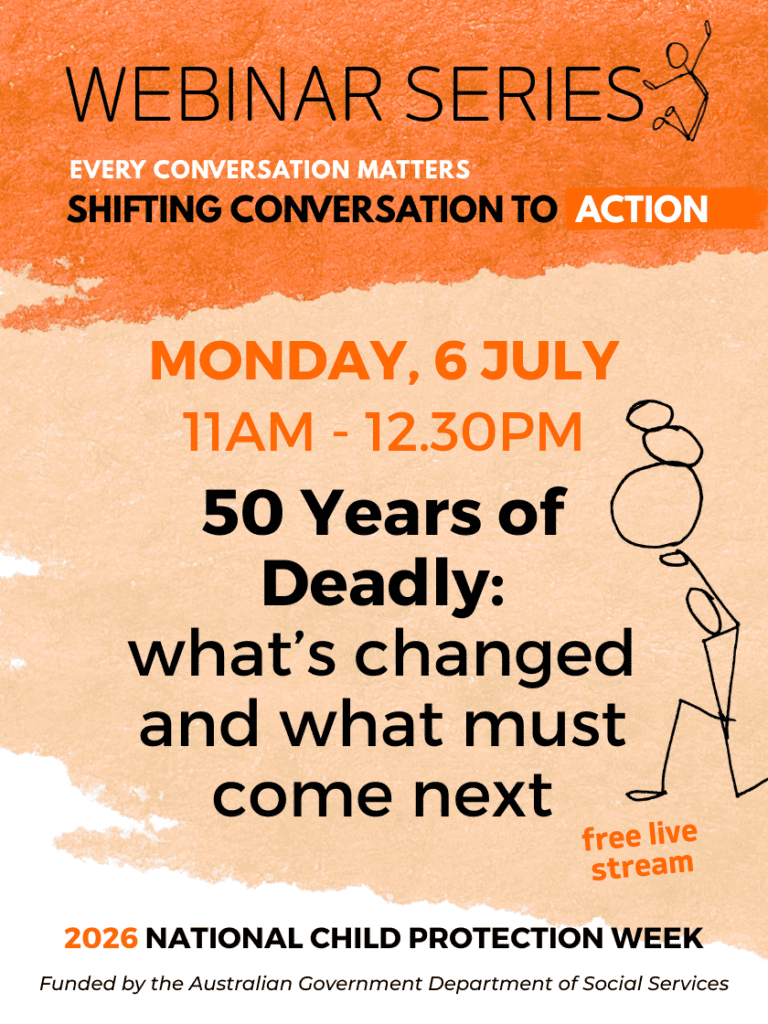
Join NAPCAN this NAIDOC Week for a conversation honouring this year’s theme, “50 Years of Deadly”. This webinar celebrates the strength, excellence and enduring leadership of Aboriginal and Torres Strait Islander peoples in keeping children, young people and families safe and thriving often in spite of systems that have worked against them. It also honours the right of Aboriginal and Torres Strait Islander children and young people to simply be kids: to laugh, play, learn and grow, celebrated as our children and our future.
Featuring a panel of First Nations leaders, practitioners and changemakers, the session will explore what it means to be “deadly” today through real stories of community‑led solutions, cultural strength, and youth leadership. This conversation will highlight how First Nations communities have protected children and families, reshaped services and driven system change.
Grounded in the Safe and Supported Aboriginal and Torres Strait Islander Outcomes Framework, the panel will also look forward: what barriers did these speakers have to overcome, and how do we dismantle those barriers for the next generation? What does self‑determination look like in practice, in ACCOs, in families, in communities, and how do we grow it over the next 50 years?
Through storytelling, reflection and yarning, this webinar invites you to listen, learn and celebrate First Nations strength, while committing to the changes needed so that Aboriginal and Torres Strait Islander children and young people can grow up safe and supported in their families, communities and cultures.
Former Acting Aboriginal National Children’s Commissioner
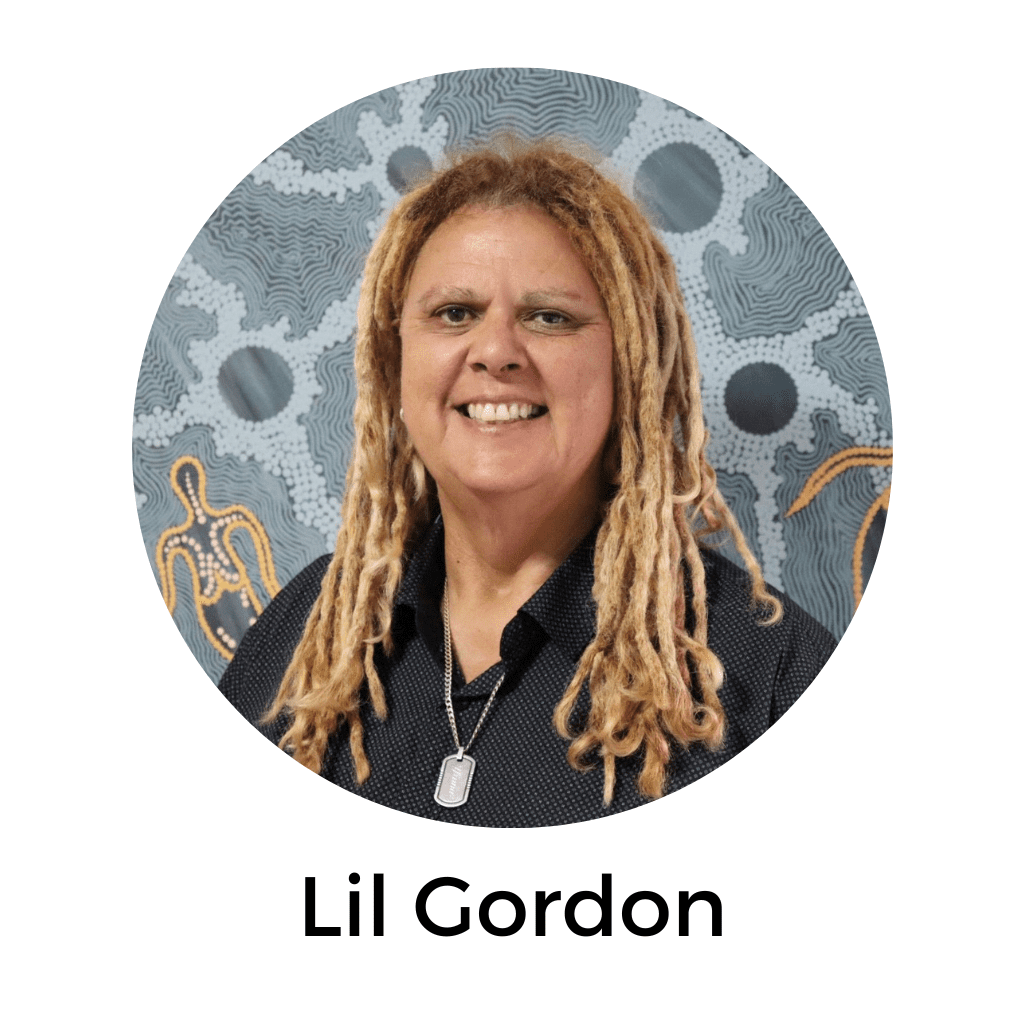
Lil Gordon is a proud Ngemba woman from Brewarrina in Northern NSW, with over 30 years’ experience working with and alongside Aboriginal communities. She is currently First Assistant Secretary, First Nations Partnerships Division, at the Department of Infrastructure, Transport, Regional Development, Communications and the Arts, leading national work to strengthen partnerships, cultural capability and First Nations employment through the First Nations Agreement, Our Stories on Country. Lil has held senior leadership roles across government and community sectors, including as Acting Aboriginal National Children’s Commissioner and Head of Aboriginal Affairs NSW, and is a 2023 Atlantic Fellow for Social Equity with a Master of Social Change Leadership.
Co‑founder, One Percent Program
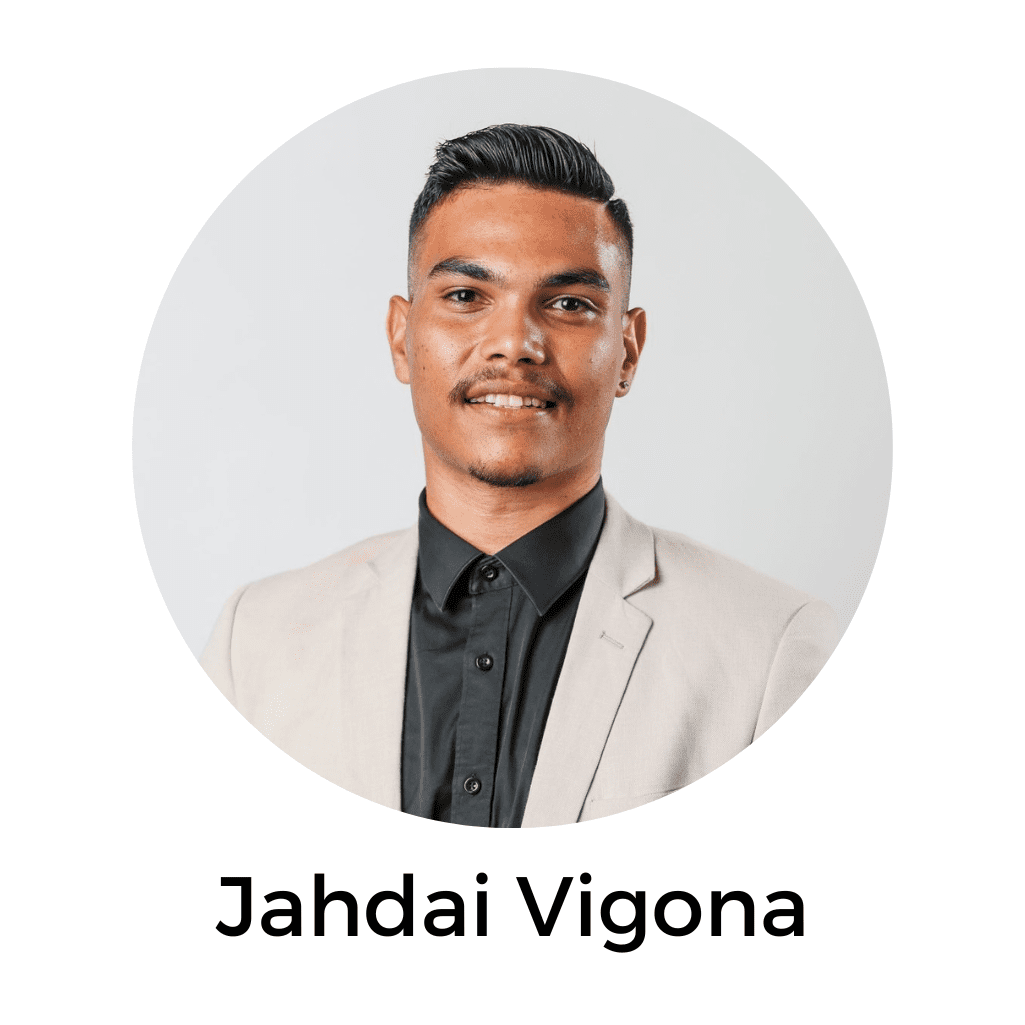
Jahdai Vigona is a proud Tiwi Islands man and co‑founder of the One Percent Program, a Darwin‑based social enterprise supporting Indigenous youth and men to build resilience, wellbeing and positive futures through culturally grounded fitness, mentoring and life skills. Named the 2023 Northern Territory Young Australian of the Year, Jahdai draws on his experience as a mental health educator, program facilitator and athlete to create safe spaces where young people can strengthen their mental, physical and cultural wellbeing and work towards being one per cent better every day.
Co‑founder & Custodian, Deadly Inspiring Youth Doing Good (DIYDG)
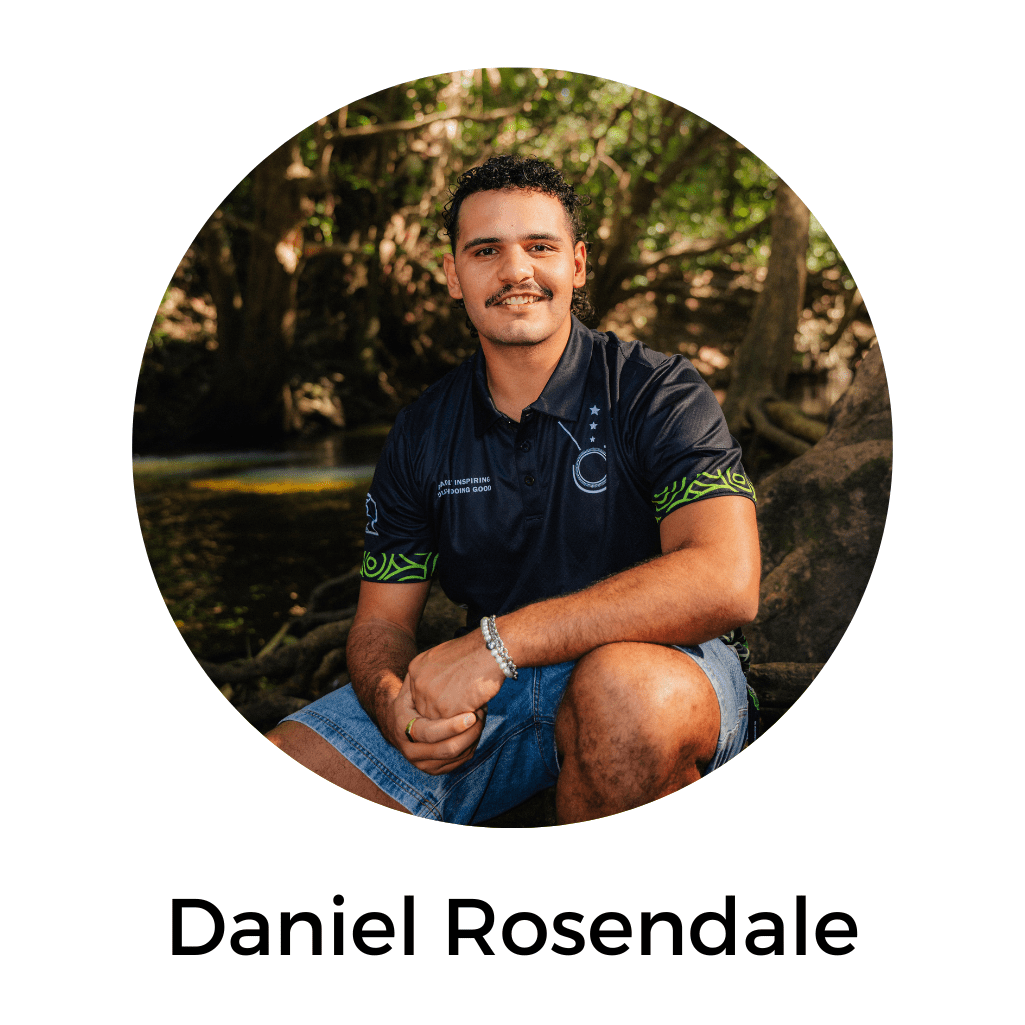
Daniel Rosendale is a proud Kuku Yalanji and Gugu Yimithirr man and co‑founder and Custodian of Deadly Inspiring Youth Doing Good (DIYDG), a youth‑led organisation supporting Aboriginal and Torres Strait Islander young people to take action and create positive change in their communities. He has contributed to community projects at local, state and national levels, and served as an advisor to the YES23 campaign, bringing a strong First Nations youth perspective to advocacy and decision‑making.
Daniel is currently the Treasuerer of Whuchopperen Health Service and former Co‑Chair of the SAHMRI National Roadmap for Aboriginal & Torres Strait Islander Adolescent Health Governing Body, helping to shape policy and practice that improves outcomes for young people. His leadership has been recognised through multiple honours, including finalist for the 2022 Kennelly Constructions Aboriginal and Torres Strait Islander Achievement Award, 2022 Queensland Young Tourism Leader, and 2020 Young Citizen of the Year (Far North Queensland).
Musician
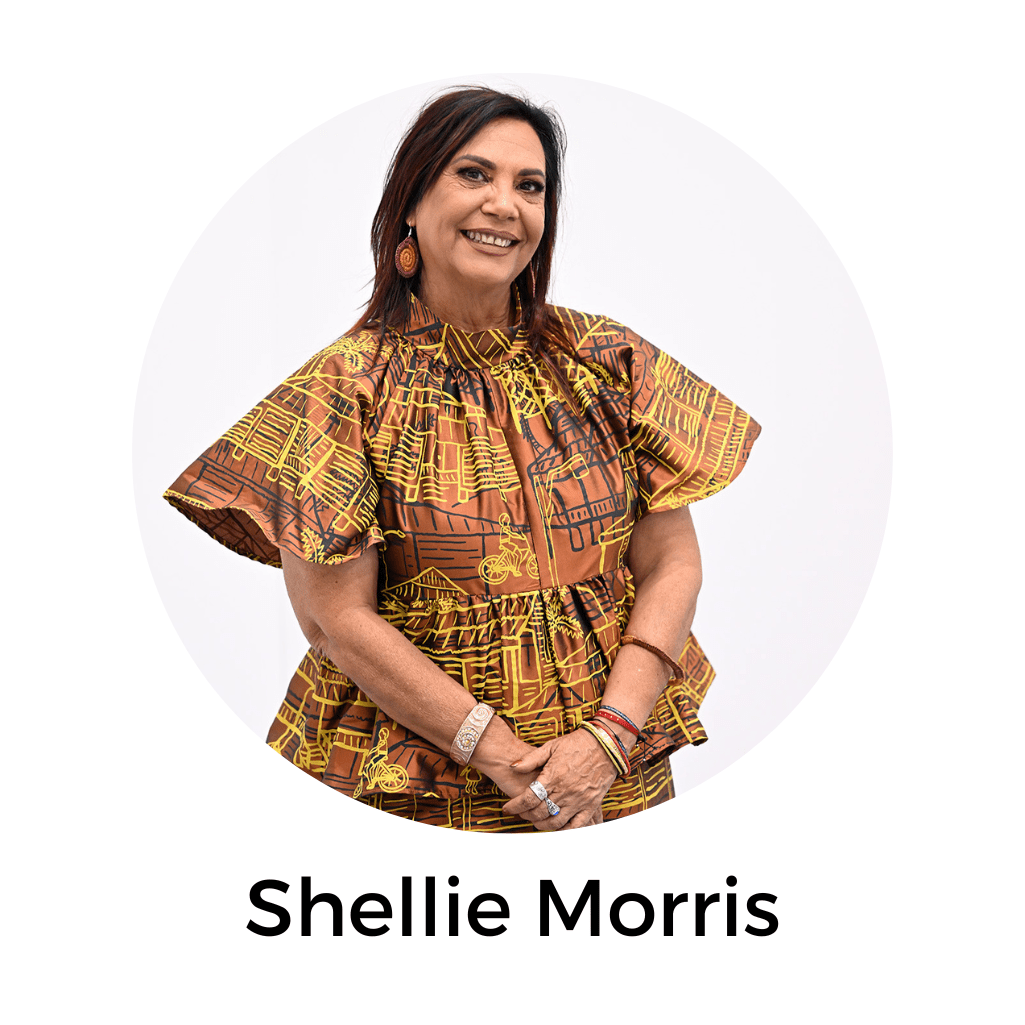
Dr Shellie Morris AO is a proud Yanyuwa and Wardaman woman and one of Australia’s most celebrated Indigenous singer‑songwriters. With a career spanning more than 25 years, she uses music as a tool for healing, language revitalisation and community‑led change, working with remote and urban communities across the country, and has been recognised as NT Australian of the Year and NAIDOC National Artist of the Year, as well as receiving the prestigious 2025 Red Ochre Award for Lifetime Achievement in Cultural Advocacy and Leadership.


David Poynter – Director of Evidence & Research at Anglicare Victoria
David Poynter is Director of Evidence & Research at Anglicare Victoria, with over 25 years’ experience across youth, family, and justice services. He leads a specialist team focused on identifying, adapting, and scaling evidence-proven practice models from Australia and internationally.
David has overseen the introduction of recognised models including Functional Family Therapy, Multisystemic Therapy, Triple P, SafeCare, Rapid Response, and the Mockingbird Family Model. His current work focuses on youth justice reform, family preservation and reunification, and programs addressing the use of violence.
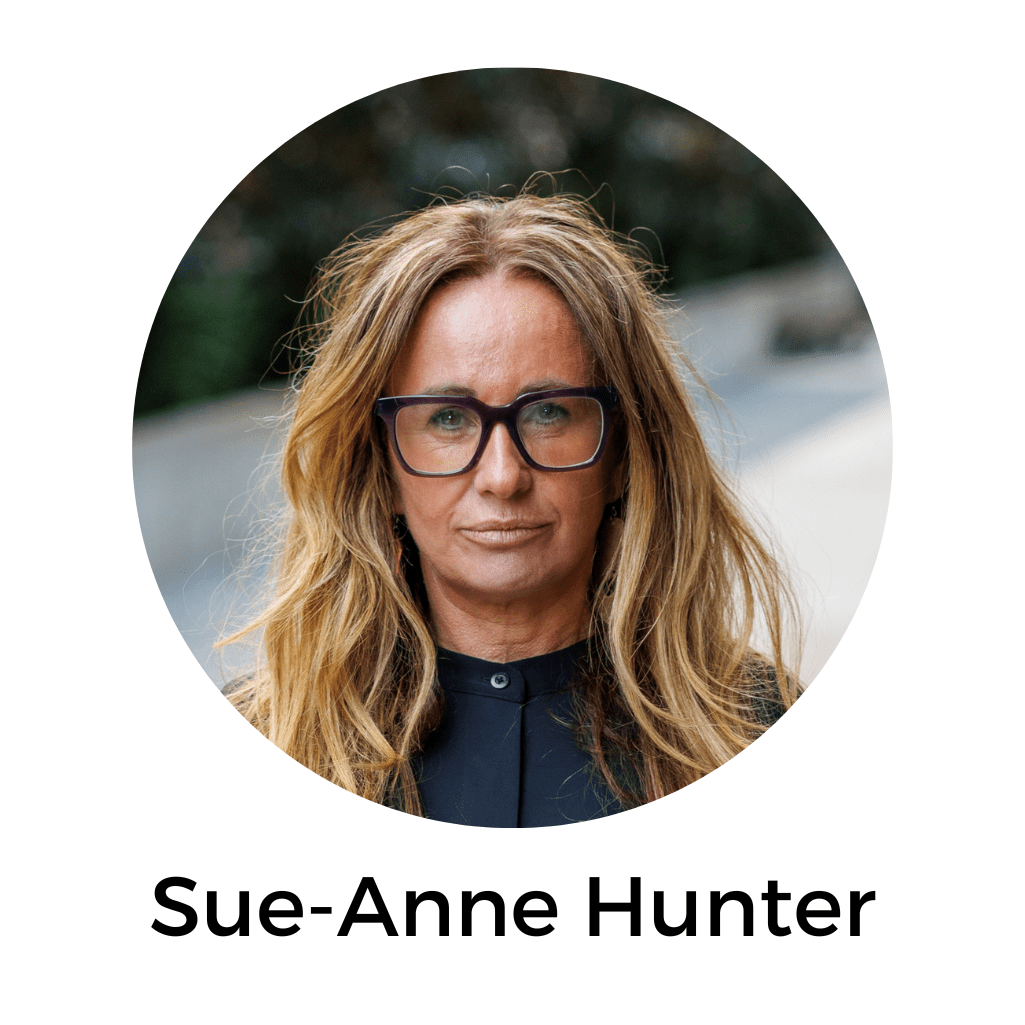
Sue-Anne Hunter – National Commissioner for Aboriginal and Torres Strait Islander Children and Young People
Sue-Anne Hunter became the inaugural National Commissioner for Aboriginal and Torres Strait Islander Children and Young People on 1 September 2025. The National Commissioner protects and promotes the rights, interests, and wellbeing of Aboriginal and Torres Strait Islander children and young people by amplifying their voices, aspirations, and strengths. The Commissioner embeds the perspectives and priorities of Aboriginal and Torres Strait Islander children and young people in advice to government and collaborates with key stakeholders to enhance collective impact and drive systemic reform.
Sue-Anne is a Wurundjeri and Ngurai Illum Wurrung woman known for her work. From May 2021 to 30 June 2025, she was Deputy Chair and Commissioner in Victoria’s Yoorrook Justice Commission, Australia's first formal truth-telling inquiry into historic and ongoing systemic injustices perpetrated against First Peoples through colonisation, led by First Peoples. She has practical experience in establishing organisations under government legislation, including developing the framework and methodology for Yoorrook.
Sue-Anne has previously served as National Sector Development Manager, SNAICC – National Voice for our Children.
Sue-Anne is a member of the National Centre for Reconciliation, Truth, and Justice Advisory Board. She has extensive experience in the governance and the leadership of Aboriginal community-controlled organisations, and her expertise is regularly sought for government inquiries, parliamentary and ministerial advisory committees, academic research projects and media interviews.
As a casework and policy expert, Ms Hunter has extensive experience engaging with children, young people and families. Her advocacy work has led to the successful negotiation of reforms and improved health services. Among her many accomplishments, Ms Hunter has helped shape policy and practice on Aboriginal guardianship laws in Victoria. This has included roles at the Victorian
Aboriginal Child and Community Agency and developing a new model of child protection practices premised on Aboriginal organisations working in partnership with Aboriginal families.
Sue-Anne is an Adjunct Professor of Global Engagement at Federation University and a PhD candidate at Monash University. With a Master of Social Work and a background in child and family services practice, Sue-Anne has over two decades’ clinical experience responding to developmental, transgenerational and community trauma. She has practiced as a qualified social worker and is a recognised leader in the First Nations child and family services sector. She is widely recognised for developing rights-based, transformative practice responses that empower Aboriginal people to heal from the continuing effects and processes of colonisation.
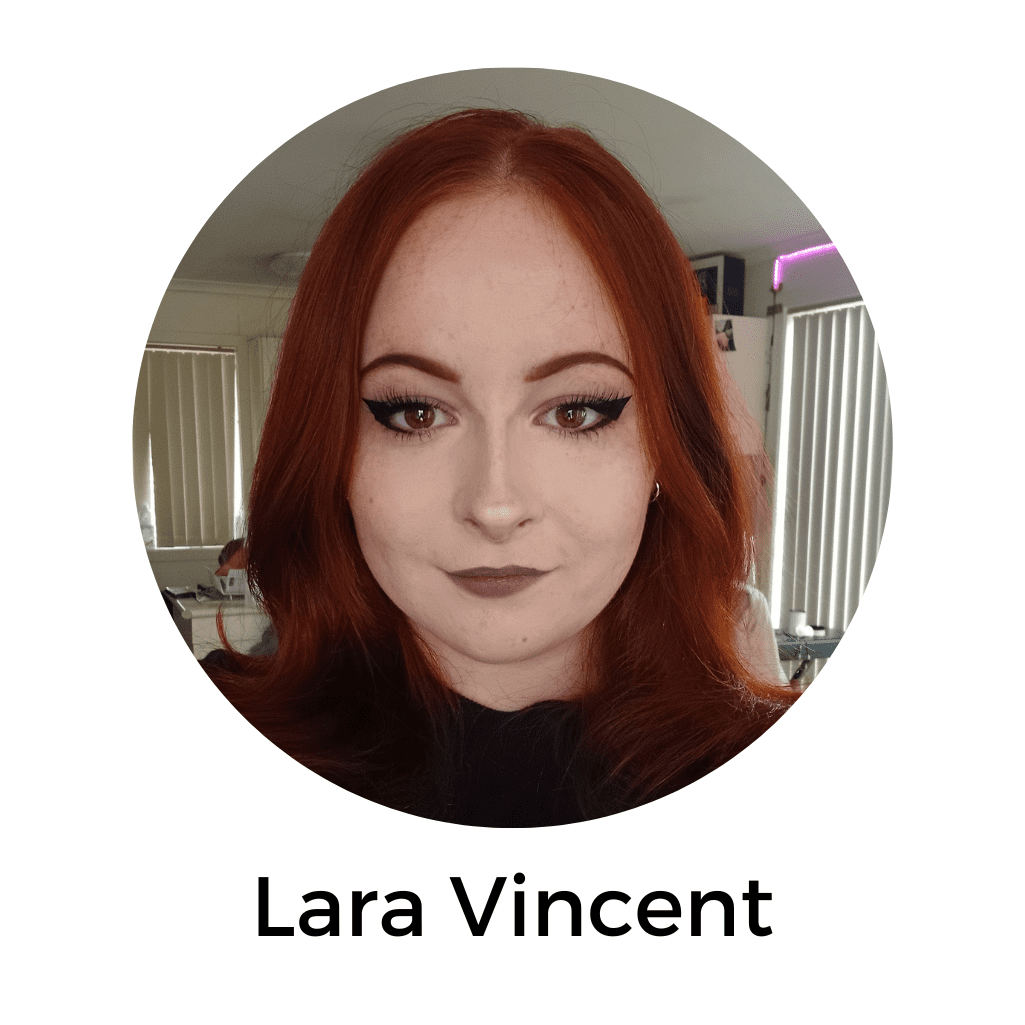
Lara Vincent – Youth Activist
Lara Vincent is 22, and is completing her 3rd year Bachelor of Arts studies at the University of Tasmania.
Lara spent 18 years in the foster care system in Tasmania.
Lara has a passion for advocacy and representation for the rights of children and young people in Foster Care. This passion has seen her engaged by a range of agencies including the Department of Education Children and Young People and CREATE, and hired by Life Without Barriers
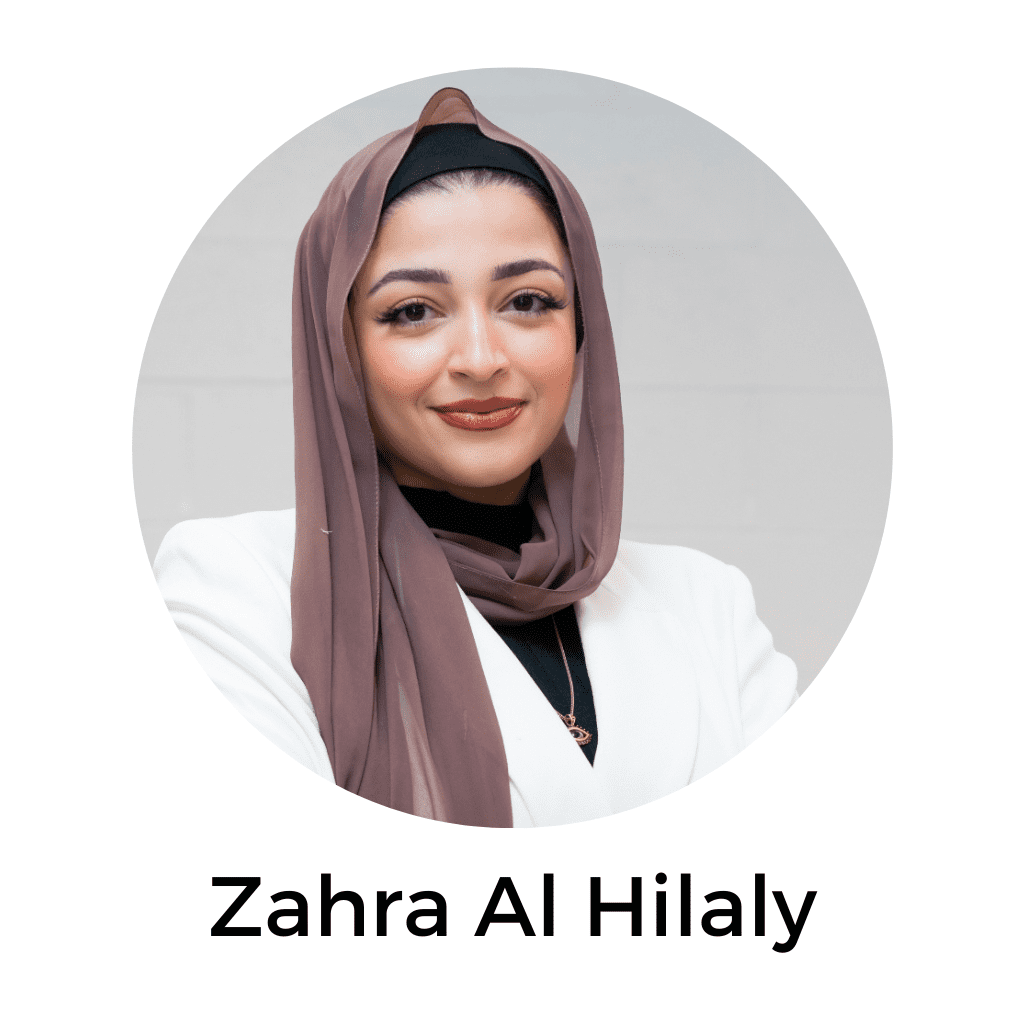
Zahra Al Hilaly – Manager, Campaigns and Social Policy NAPCAN
Zahra Al Hilaly is an Australian lawyer, journalist, and activist, for human rights, interfaith dialogue, and peace building. As the former CEO of Oaktree Australia, Zahra led Australia’s largest youth-led development organisation, empowering thousands of young people in the Asia-Pacific region to become leaders of the United Nations Sustainable Development Goals.
Currently leading National Child Protection Week, Zahra is excited to broaden the conversation for more Australians to commit to NAPCAN’s mission. As a proud daughter of refugees from Palestine and Iraq, Zahra’s mission is to ensure refugee youth are being amplified in peace building agendas. In 2023, Zahra was named an Australian Women in Excellence and in 2024, she was named on the Forbes 30 Under 30 Asia-Pacific list.

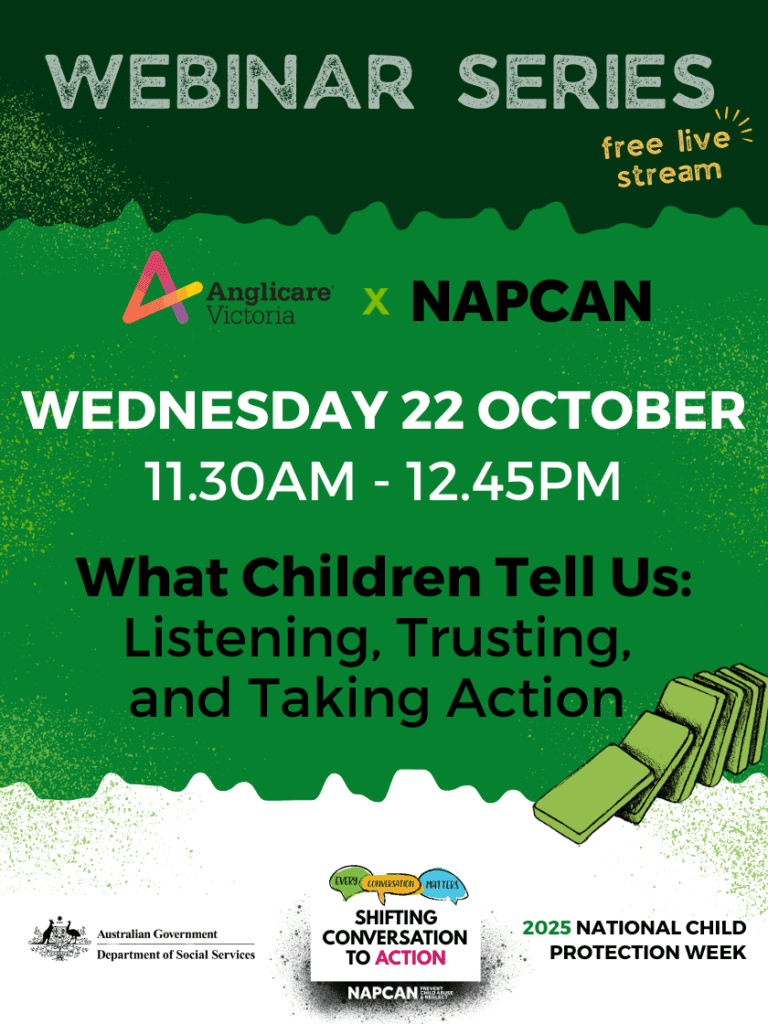
In partnership with Anglicare.
This webinar takes a deep-dive into what’s possible when children are not only heard but genuinely included in shaping the environments around them.
Join us for a compelling session that brings together powerful voices from across Australia – including children themselves, to share how schools, services, and communities are creating spaces where trust, safety, and collaboration thrive. You’ll hear powerful insights from the Safer Communities for Children (SCFC) program and trainers working in multicultural, First Nations, and rural settings, perspectives too often left out of mainstream conversations.
We’ll dive into how child-led approaches are driving tangible change, from classroom strategies to community-wide action, and what it takes to embed these principles into practice.
This webinar offers real stories, practical tools, and fresh thinking for anyone working to centre children in their work.
Walk away with renewed purpose, grounded strategies, and a stronger connection to the voices that matter most.
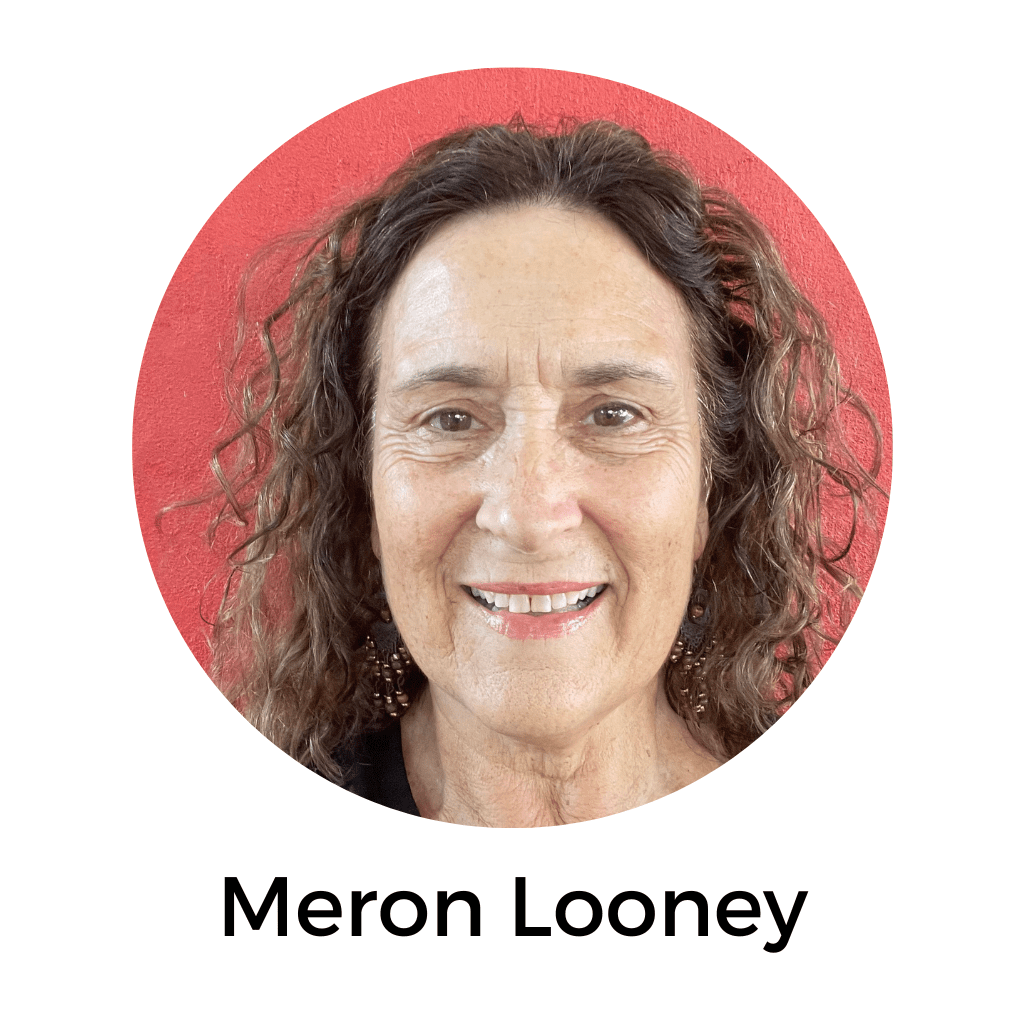
Meron Looney (Moderator) – Manager, Northern Territory, NAPCAN
Meron is the manager of NAPCAN in the Northern Territory and has lived on Larrakia land in Darwin for more than 30 years.
She has a background in early childhood education, family support, domestic and family violence work and government policy. She has broad experience in developing resources and coordinating programs to promote safe and nurturing relationships between caregivers and their children.
Meron has been working with NAPCAN for around nine years and loves that their focus is on prevention through developing partnerships. She continues to work with organisations and communities across the Northern Territory to develop and deliver inclusive, culturally safe resources and programs to support children, young people and families.
Ellen Wachter – Communities for Children Coordinator for Greater Dandenong, Mission Australia.
Ellen Wachter is the Communities for Children Coordinator for Greater Dandenong + 3177 at Mission Australia and is grateful to live, work, and raise her little one on Bunurong Land.
She has worked in Community Development for the last nine years, and in this time her work has run the gamut from writing and delivering children’s projects, to becoming a self-described ‘community connector’ and ‘data nerd’.
She has a particular passion for bringing stakeholders and community organisations together to encourage collaboration and better outcomes for families and communities.
Genevieve Hernandez- Cardinia Communities for Children Program – Anglicare Victoria
Genevieve is a qualified social worker currently working as a Project Worker with the Cardinia Communities for Children program at Anglicare Victoria.
She brings experience in Child Protection and Family Services and is passionate about working with families and communities to support children of all ages to thrive. Her professional interests include child development, relational trauma, child sexual abuse prevention and recovery.
In her spare time, Genevieve enjoys reading, taking her children on day trip adventures to discover new places, and connecting with nature.
Maryana Al Hilaly – NYSO Member
Maryana is a second year electrical engineering student with a deep passion for problem solving and innovation.
As a Palestinian Iraqi woman from a refugee and migrant background she has learnt to navigate multiple identities while pursuing her passion for STEM.
She is also living with epilepsy which has shaped her perspective on resilience and breaking stigma. Beyond engineering Maryana is a national advocate for youth voices through NYSO where she works to create spaces for open conversations on preventing child abuse and neglect.

Join us for a powerful discussion that brings to light the often-overlooked pressures and barriers facing the child, youth, and family workforce. Together, we’ll explore how public expectations, political influence, and national narratives are shaping child protection, and ask the hard questions: Are we on the right track? Who is leading real change?
This session will spotlight frontline voices, especially from remote and under-resourced areas, and share findings from Lumenia’s latest research. We’ll unpack key workforce challenges like burnout, recruitment, and cultural safety, while showcasing practical, community-led solutions and innovations aligned with the Safe and Supported Framework.
Whether you’re in policy, practice, or research, this webinar is a chance to contribute to a solution-focused conversation on meaningful prevention, early intervention, and the future of the sector.
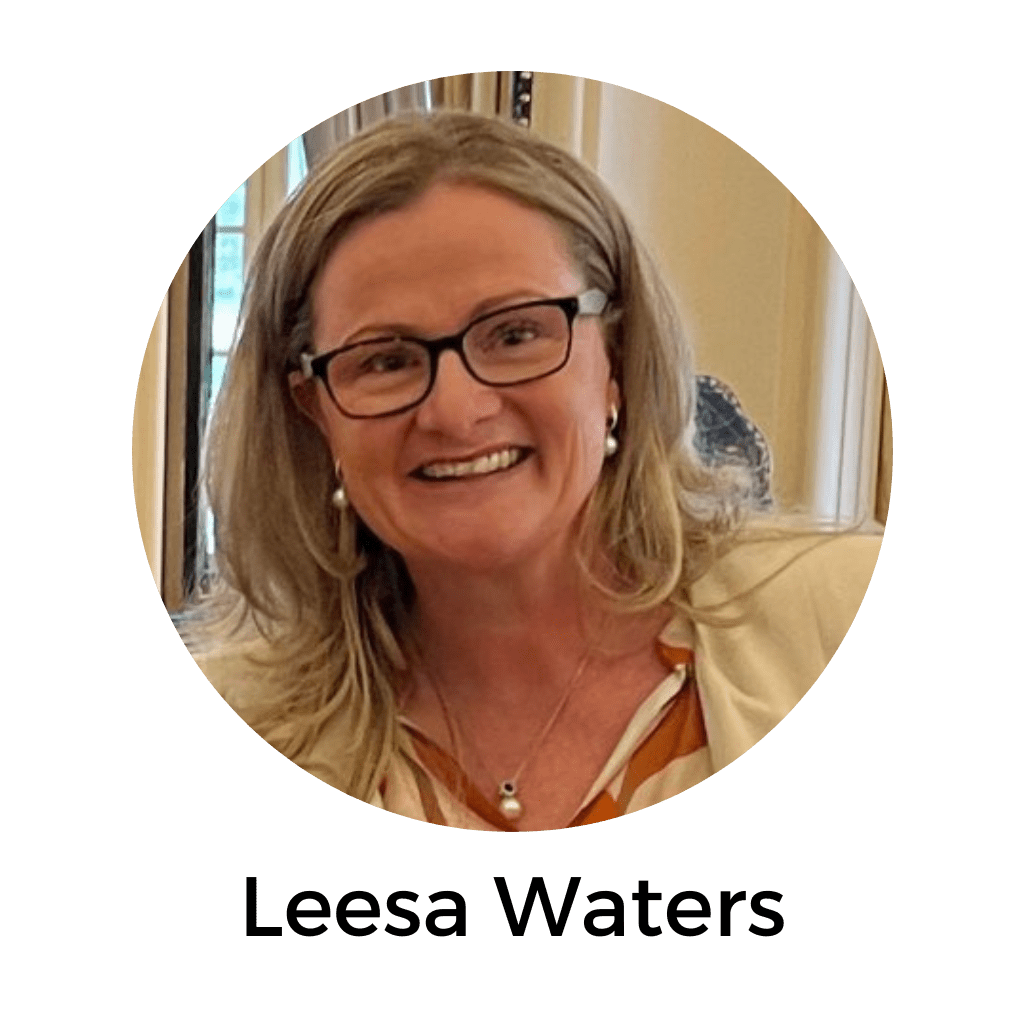
Leesa Waters – CEO, NAPCAN
Leesa has over 30 years of experience in the social services sector, working in youth refuges, child protection services, women’s refuges, correctional facilities, courtrooms, NGOs and government departments across Australia.
As the Chief Executive Officer of NAPCAN, she has an in-depth understanding of the issues that impact families. She holds a Bachelor of Social Science (Welfare), Bachelor of Law (Honours), Graduate Diploma in Legal Practice and a current Australian practising certificate from the NSW Law Society.
Leesa currently lives in regional NSW and has worked nationally across regional, remote and metropolitan communities. She is passionate about the power of prevention and is a strong advocate for respectful relationships education for children and young people.
Leesa believes we should all continually ask ourselves ‘what is it like for the child?
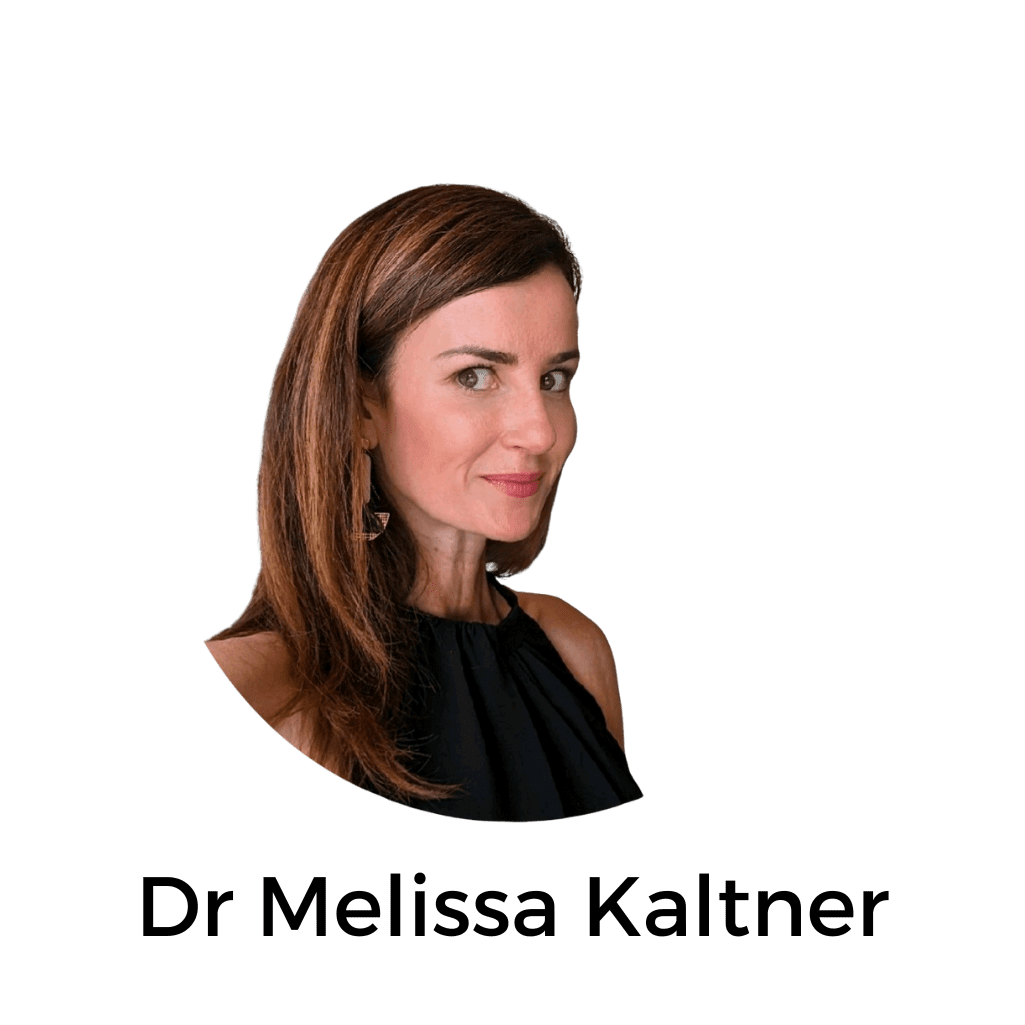
Dr Melissa Kaltner – Partner, Lumenia
Dr Melissa Kaltner brings over twenty years’ experience driving change for children, families, and communities. She is co-founder of Lumenia, a specialised child and family sector consulting practice that works across Australia to shape the sector’s practice.
Throughout her career, Dr Kaltner has led teams in academia, public services and consulting. She holds a PhD in paediatrics and has contributed extensively to the child and family field, authoring book chapters and peer-reviewed publications. She is an active member of the Australian Evaluation Society’s New South Wales Organising Committee and was awarded a 50th Anniversary Churchill Fellowship for international research into out of home care practices.
Passionate about collaborative approaches, Dr Kaltner is committed to working in partnership to support families and communities to achieve their aspirations.
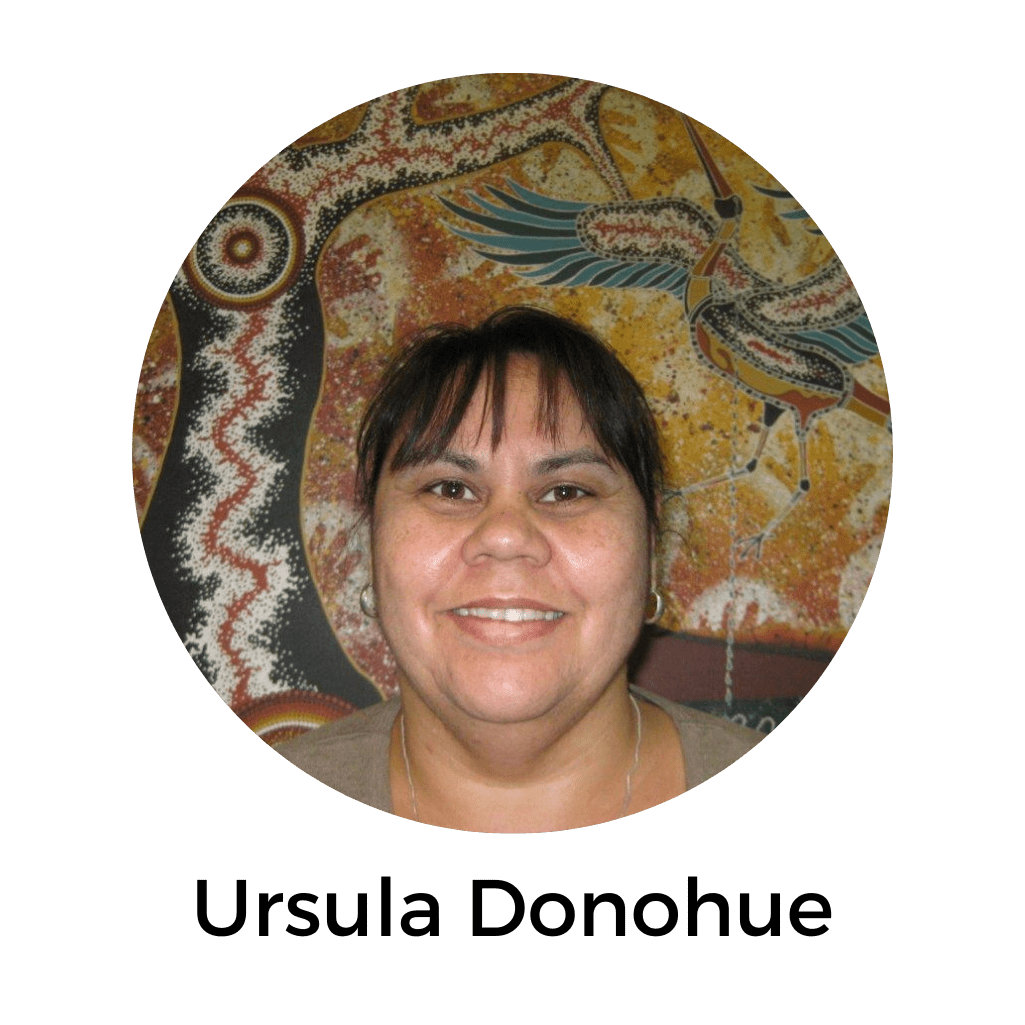
Ursula Donohue – CEO, Ngunya Jarjum.
I am Ursula Donohue from the Dunghutti, Biripi, Worimi Nations. I am the Chief Executive Officer at Ngunya Jarjum.
I have worked in the Human/Community Services sector for over 36 years along the East Coast, New England & Metropolitan areas in Centrelink, Job Network, Department Community Services: Partnership and Planning [which is now Department Communities & Justice: Commissioning & Planning] and more recently with Burrun Dalai Aboriginal Corporation.
Having worked within these sectors, I bring a wealth of experience and knowledge to Ngunya Jarjum and I’m passionate about improving outcomes for our children, young people, families and communities, plus I consider myself to be a strong advocate on Aboriginal Affairs especially when it involves children, young people, families and communities too.
Prior to joining Ngunya Jarjum, I was an Executive Officer of Programs at Burrun Dalai where I was responsible for overseeing the organisation’s strategic direction and ensuring that its programs and services aligned with the contracts, our mission statement and values. I was also responsible for designing and implementing evidence-based programs, managing complex budgets and partnerships, and building and mentoring high-performing teams.
Jeanette Kerr – Community Leader
Following a 29 year career with the Northern Territory Police Force, Ms Kerr took on the challenging role of Deputy CE for Territory Families, overseeing Child Protection, Out of Home Care, Families Programs, Youth Justice and Domestic Family and Sexual Violence Reduction, including a Royal Commission reform agenda.
Jeanette is committed to early intervention methods, with kinship care and improved service delivery as a priority for child protection approaches in the Northern Territory.
Following the completion of her Masters of Studies in Applied Criminology at Cambridge University in 2016, she was engaged as an academic supervisor for the program until 2021.
Following the change of government in the Northern Territory in 2024, Jeanette has pursued other opportunities to work with the community.
Timothy Noakes – CREATE Young Consultant
Timothy Noakes is a proud First Nations man, passionate advocate, and CREATE Young Consultant with lived experience of the out-of-home care system in Australia.
Entering care at a young age, Tim navigated multiple placements, disrupted schooling, and deep disconnection from culture, family, and community. Despite these challenges , including periods of homelessness after care, Tim has transformed his journey into one of leadership, resilience, and impact.
He now mentors younger peers, co-facilitates programs, and regularly speaks at major events, including the Voices in Action CREATE Conference (2023), Home Stretch Symposium (2025), and Children and Carer’s Awards (2025).
Through advocacy, training, and public speaking, Tim is a strong voice for reform, especially for First Nations young people seeking connection and justice.
With dreams of acting on the big screen and a deep commitment to community, Tim shows what’s possible when young people are given the space to lead.


You’ll hear powerful reflections from national leaders, grassroots advocates, and young changemakers on the reforms, challenges, and community-led solutions shaping child protection in Australia today. We’ll spotlight the role of fatherhood and male allies in connection and early intervention, the impact of youth-led advocacy, and the importance of a whole-of-society approach.
This is about igniting change, starting with you. Whether you’re working on the front line or influencing policy, this webinar will leave you energised, informed, and ready to make a difference.
Let’s move from conversation to action.
Register now and be part of something bigger.
Leesa Waters – CEO, NAPCAN
Leesa has over 30 years of experience in the social services sector, working in youth refuges, child protection services, women’s refuges, correctional facilities, courtrooms, NGOs and government departments across Australia.
As the Chief Executive Officer of NAPCAN, she has an in-depth understanding of the issues that impact families. She holds a Bachelor of Social Science (Welfare), Bachelor of Law (Honours), Graduate Diploma in Legal Practice and a current Australian practising certificate from the NSW Law Society. She also recently completed her Australian Institute for Course Directors Course.
Leesa currently lives in regional NSW and has worked nationally across regional, remote and metropolitan communities. She is passionate about the power of prevention and is a strong advocate for respectful relationships education for children and young people.
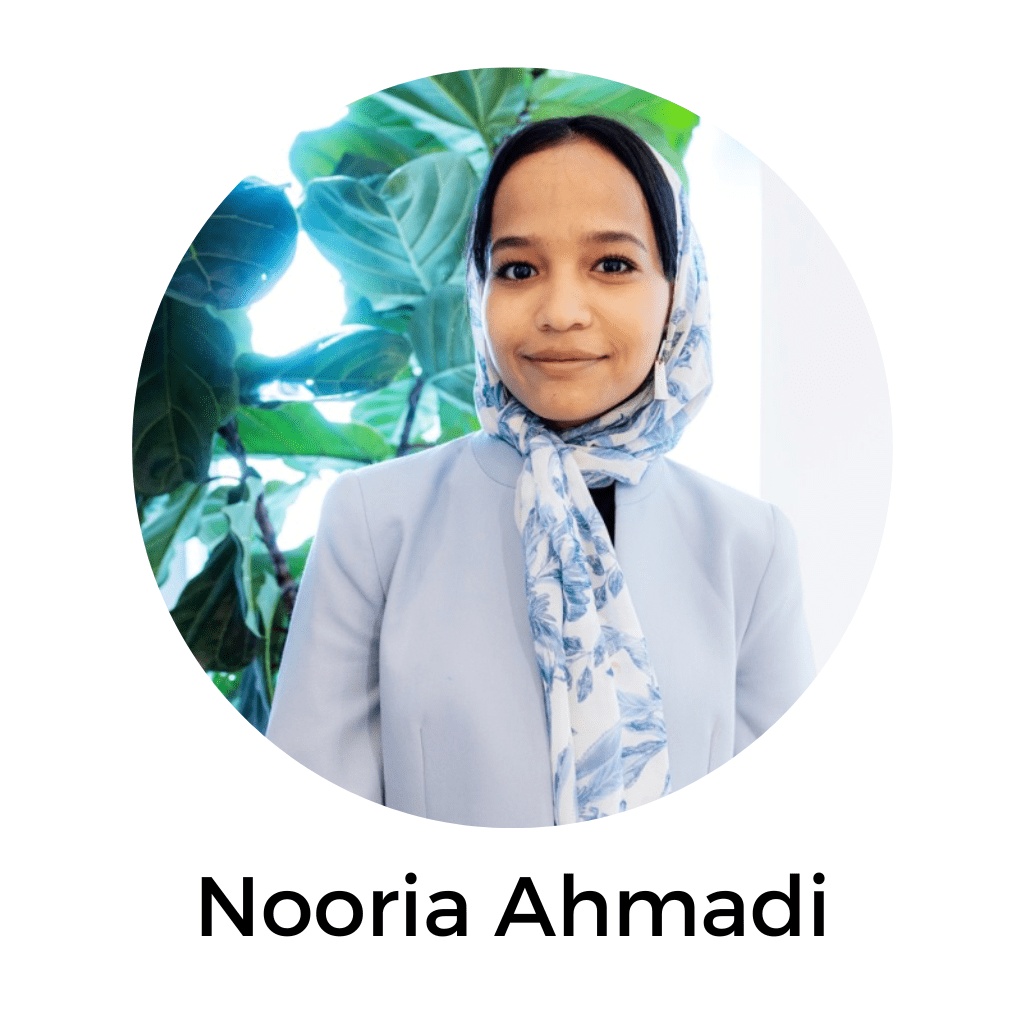
Nooria Ahmadi – National Youth Officer NAPCAN
Nooria Ahmadi is a passionate young advocate for social inclusion, with a strong focus on inclusivity, youth empowerment, and culturally safe practices in sectors. With lived experience as a refugee and a background in community leadership, Nooria has contributed to national forums, research projects, policy discussions and a number of submissions to government bills. She is committed to amplifying underrepresented voices and driving meaningful change through storytelling, advocacy, and collaboration.
Nooria completed professional placement with the QLD Office for Director of Public Prosecution. She worked in the National Injury Insurance Scheme as the Corporate Governance and Policy Officer. She is currently a youth Advisor and Executive Assistant in National Association for Prevention of Child Abuse and Neglect.
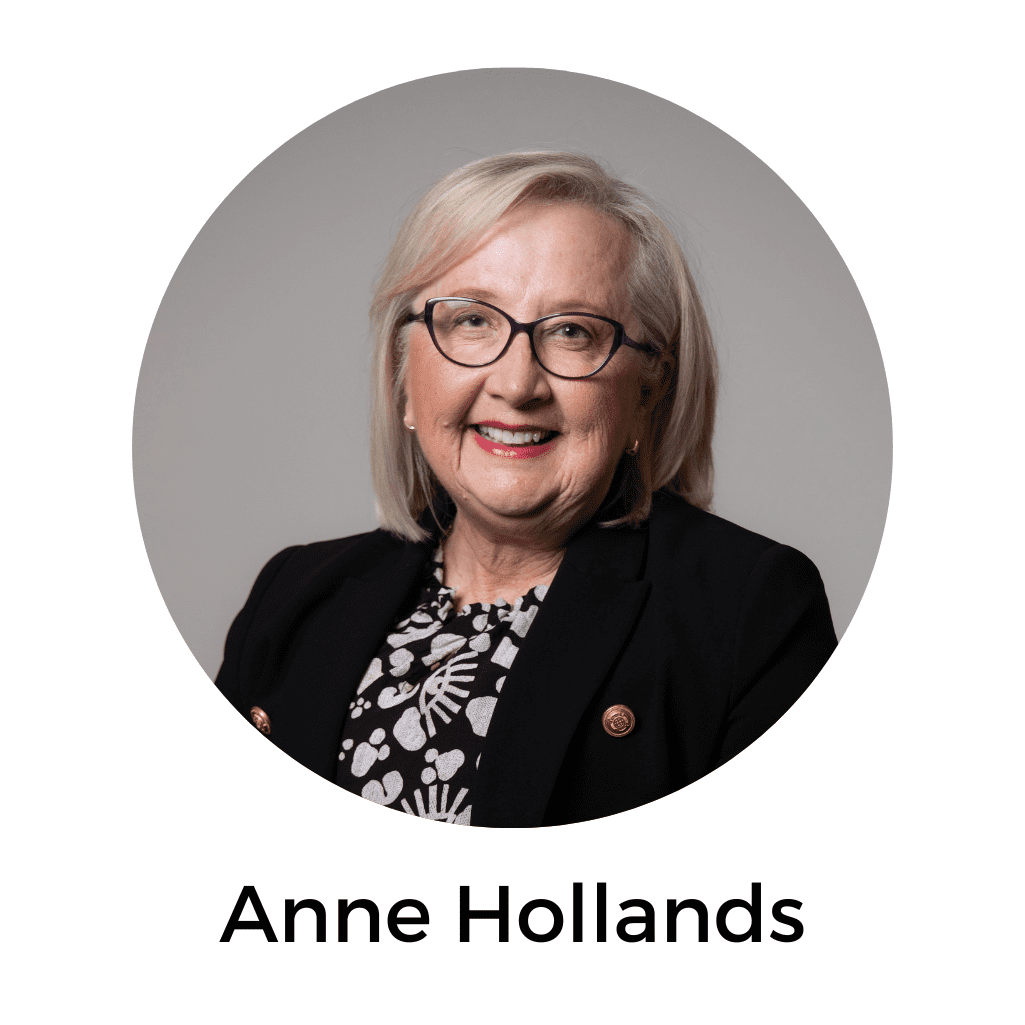
Anne Hollonds – National Children’s Commissioner, Australian Human Rights Commission
Anne Hollonds is Australia’s National Children’s Commissioner, a role based at the Australian Human Rights Commission.
The National Children’s Commissioner monitors policy and legislation to ensure that the human rights of children are protected and promoted, and provides advice to government. Formerly Director of the Australian Institute of Family Studies, for 23 years Anne was Chief Executive of government and non-government organisations focused on research, policy and practice in child and family wellbeing.
As a psychologist Anne has worked extensively in frontline practice, including in child protection; domestic, family and sexual violence; mental health; child and family counselling; parenting education; and family law counselling.
Anne currently contributes to numerous expert advisory groups and boards. Her report ‘Help Way Earlier!’ How Australia can transform child justice to improve safety and wellbeing’ was tabled in the Australian Parliament in August 2024.
Thomas Docking – CEO, Dads Group
Thomas Docking is a father, husband, and CEO of Dads Group, and the founder of Man With a Pram. Since 2014, when he and his wife Kate welcomed their first child, Thomas has worked to close the gap in perinatal care by supporting both dads and mums in the crucial early parenting years. His programs connect families through local and online communities, helping reduce isolation, improve mental health, and promote healthy infant development. Partnering with Playgroup NSW, hospitals, governments, and universities, Thomas leads a national movement to ensure parents feel equipped, connected, and supported from pregnancy through the first years of their child’s life.
Lil Gordon – First Assistant Secretary – First Nations Partnerships, Department of Infrastructure, Transport, Regional Development, Sport, Communication & the Arts.
Lil Gordon is a proud Ngemba woman from Brewarrina in Northern NSW with 34 years of experience working in and alongside Aboriginal communities.
Lil Gordon is a strong, dynamic and accomplished leader. Throughout her career, she has worked in high-level complex environments requiring resilient and focused leadership. Lil’s current role is Acting National Commissioner for Aboriginal and Torres Strait Islander Children and Young People. The National Commission is a newly established separate and independent entity within the Social Services portfolio.
Lil’s previous role is the First Assistant Secretary – First Nations Partnerships Division with the Department of Infrastructure, Transport, Regional Development, Communications & the Arts. Lil led the development and implementation of the First Nations Agreement, Our Stories on Country, which includes building cultural capability, strengthening engagement and partnerships with First Nations people and communities, growing First Nations employment and policy advice and coordination. The Division partners across the department to deliver on the department’s Closing the Gap, Reconciliation Action Plan and broader First Nation commitments.
Lil is also a former Head of Aboriginal Affairs NSW, Department of Premier & Cabinet where she has led and influenced change in government to support the social, cultural and economic aspirations of Aboriginal people in NSW, making sure their voices are heard and interests represented. Lil led a highly complex and diverse policy area providing expert and strategic advice to the highest levels of the NSW Government about barriers to, and opportunities for, achieving social justice for Aboriginal people and communities in NSW.
Other roles include Consultant, Aboriginal Partnerships & Outcomes with Uniting, Director of Partnerships with Aboriginal Affairs, Director of Aboriginal Learning Circle with TAFE NSW, CEO of Barang Regional Alliance and a teacher in high school, Juvenile Justice, and Correctional Centres.
In 2023, Lil engaged in the Atlantic Fellowship for Social Equity and completed a Master of Social Change Leadership.
Lil has plans to continue her leadership path, grounded in her deep connection to culture and her ancestors. Building relationships of equity and ensuring fair exchange in all interactions by applying leadership practices through deeply held ways of knowing, being and belonging; values-based, collaborative, and curiosity-based approach.

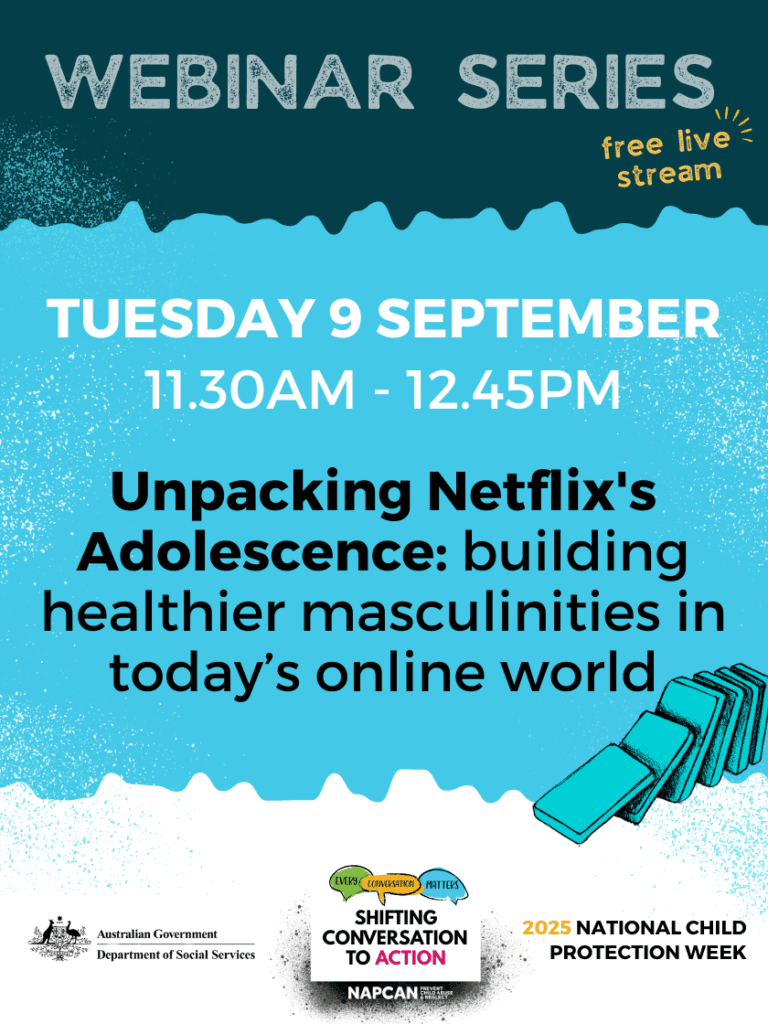
What’s really going on behind the screens of young people today? This confronting yet essential webinar dives deep into the hidden worlds of online subcultures that glorify misogyny and gendered violence.
Building on the conversations started by the hit Netflix series Adolescence, we’ll explore how these toxic narratives are spreading across social media, gaming, and online communities, shaping beliefs, behaviours, and even national security responses.
Hear from experts in education, policy, tech, and youth safety as we unpack how violent misogyny is taking root, why respectful relationships education (like NAPCAN’s Love Bites) is more urgent than ever, and how families, schools, and platforms can work together to intervene early.
We’ll also be discussing what real accountability from tech companies should look like.
If you care about the digital world young people are growing up in, this webinar is for you. Join the conversation.
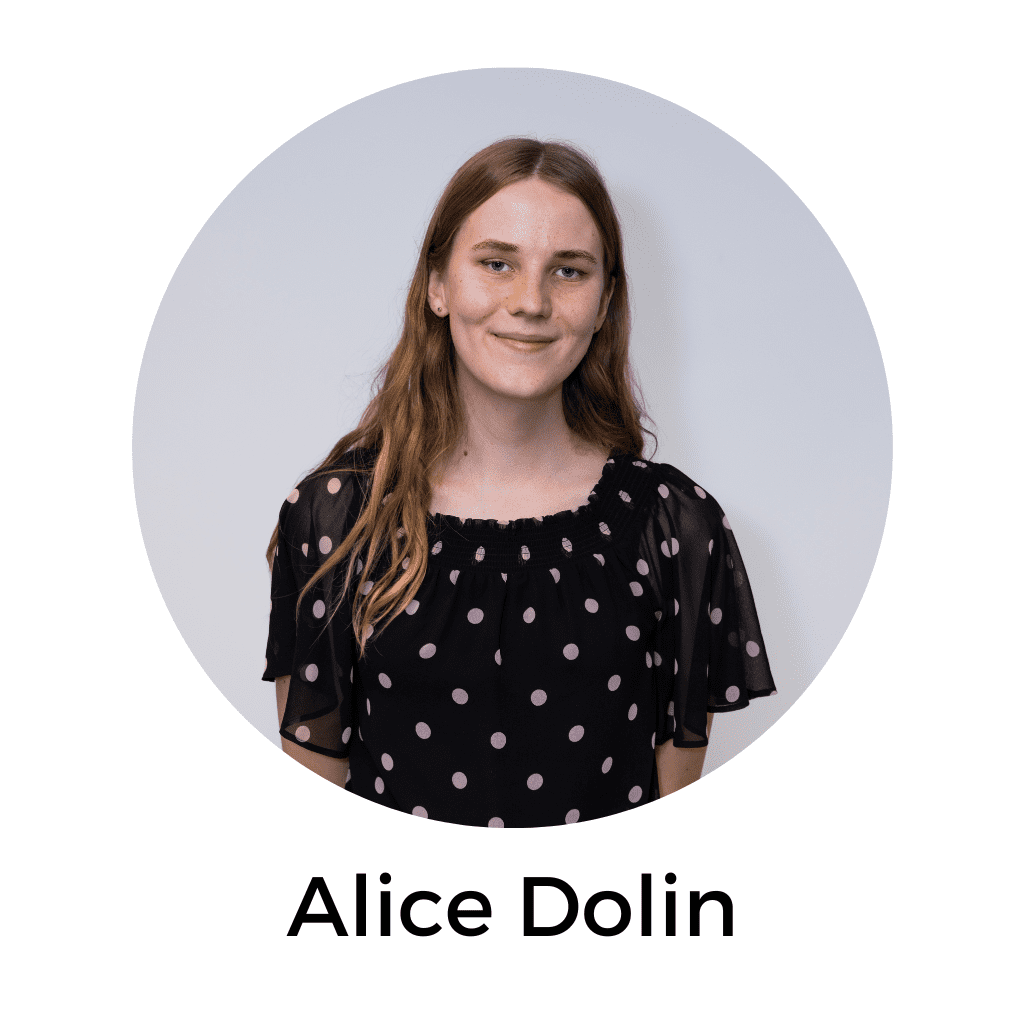
Alice Dolin – Researcher, NAPCAN (Moderator)
Alice sits on the NAPCAN Youth Speak Out council, where she regularly contributes to consultations, campaigns, and policy submissions about issues facing young people.
Alice has a background in science and languages, and her areas of interest include the impact of technology on young people, the design of online spaces, and the meaningful engagement of youth voices.
She has spoken at multiple conferences about how to engage young people in decision making, and has also represented NAPCAN at NSW Parliament to argue for respectful relationships education as a tool to combat online harms.
Alice additionally works as a researcher with NAPCAN with an interest in survey design and data management. She is currently leading a research project on how to ensure the safety of young people in youth advisory councils, engaging with numerous youth councils around the sector.
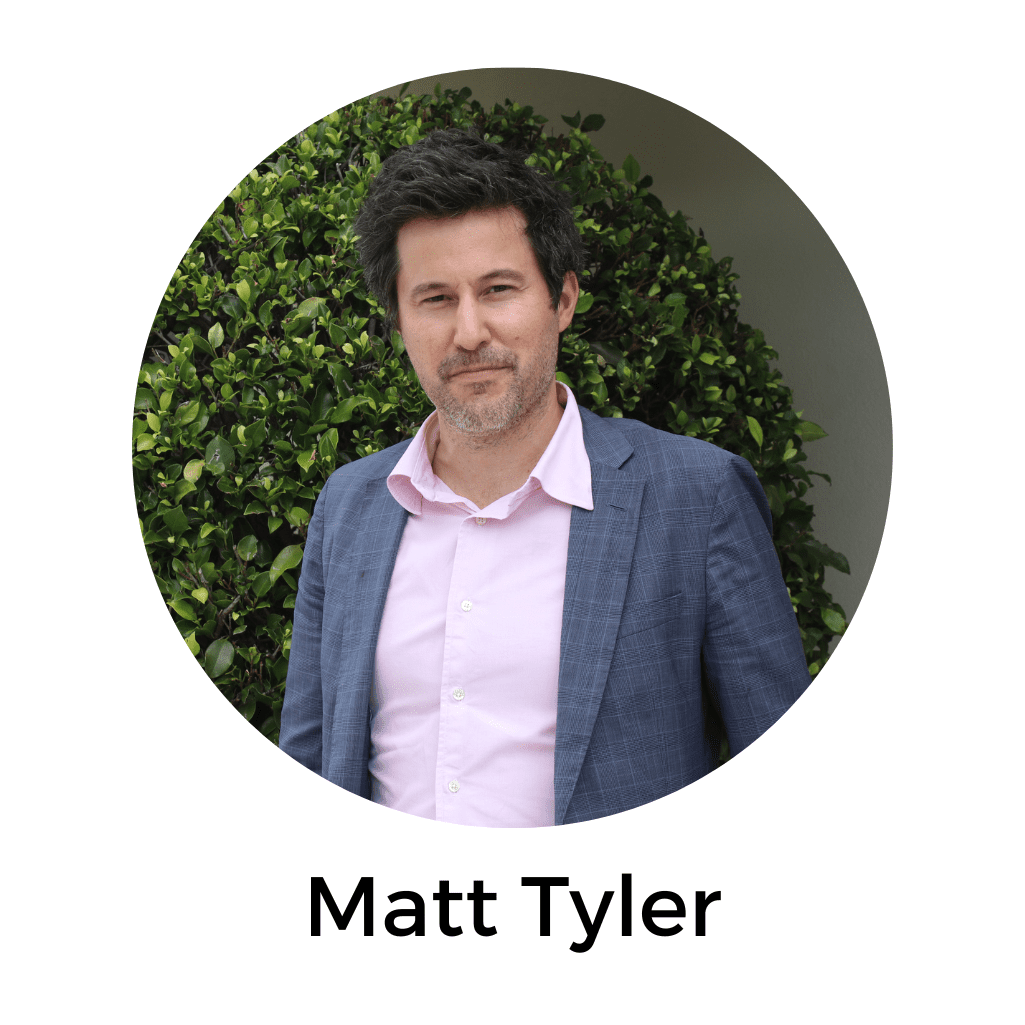
Matt Tyler – Executive Director of The Men’s Project at Jesuit Social Services
For six years, Matt has worked with a team committed to reducing violence, preventing child sexual abuse and promoting flourishing amongst men and boys themselves.
This has included leading research on the Man Box and translating that into practice as one part of preventing men’s violence, development of Australia’s first helpline – Stop it Now! – to prevent child sexual abuse by engaging with those at-risk of offending, and overseeing a range of programs to prevent violence / abuse working with adolescents who have often experienced harms in order to support them flourish.
Prior to joining Jesuit Social Services, he worked as a Fellow for Harvard’s Government Performance Lab focused on child protection and he has also previously worked on reforms to family violence services and child protection in Australia.
He is trained as an economist with a particular focus on translating research into practice, holding a Master of Public Policy from Harvard’s Kennedy School and Honours in Economics from Monash University.
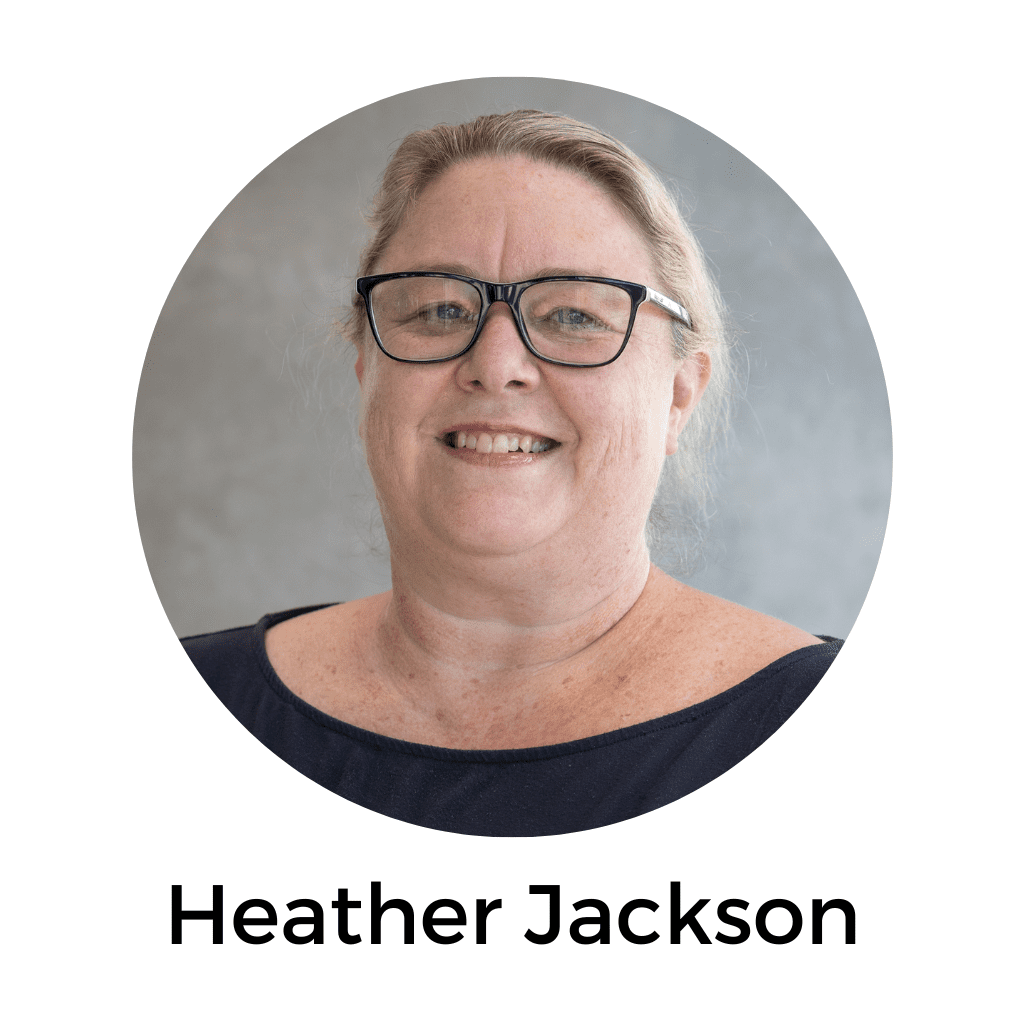
Heather Jackson – Director, Interventions and Innovation, Women Family and Community Safety, Strategy, Policy and Commissioning – Department of Communities and Justice
Heather has been involved in countering violent extremism since 2016 for various agencies, with a focus on client reintegration into the community and violent extremism disengagement.
Heather leads three countering violent extremism programs with specialist staff in NSW, and nationally. These provide support and structured case management to people vulnerable to, or who have engaged in, violent extremism.
Youth vulnerability and susceptibility is a particular area of interest and ongoing research.
Heather also provides consultative advice and support for teams to implement intervention pathways and deliver community and stakeholder engagement programs.
Heather is recognised through international and national speaking engagements and extensive media outreach via radio and print
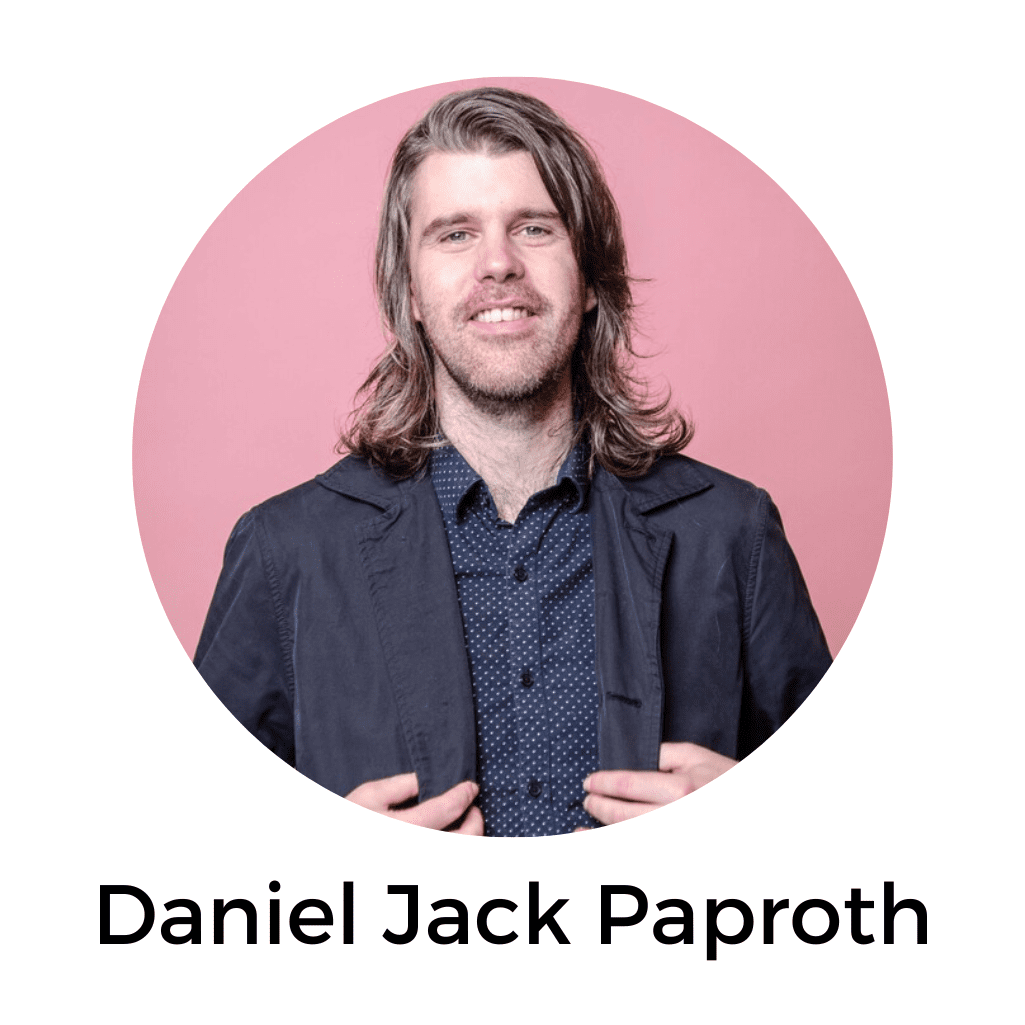
Daniel Jack Paproth – Communications Manager at The Man Cave
Daniel is the Communications Manager at The Man Cave, and a former Lead Facilitator.
Over the past seven years, he has worked directly with thousands of teenage boys in classrooms across Australia, and now he focuses on translating the insights from those programs into stories that the wider world can engage with, building a bridge between an often misunderstood and maligned demographic – young men – and the communities and systems that surround them.
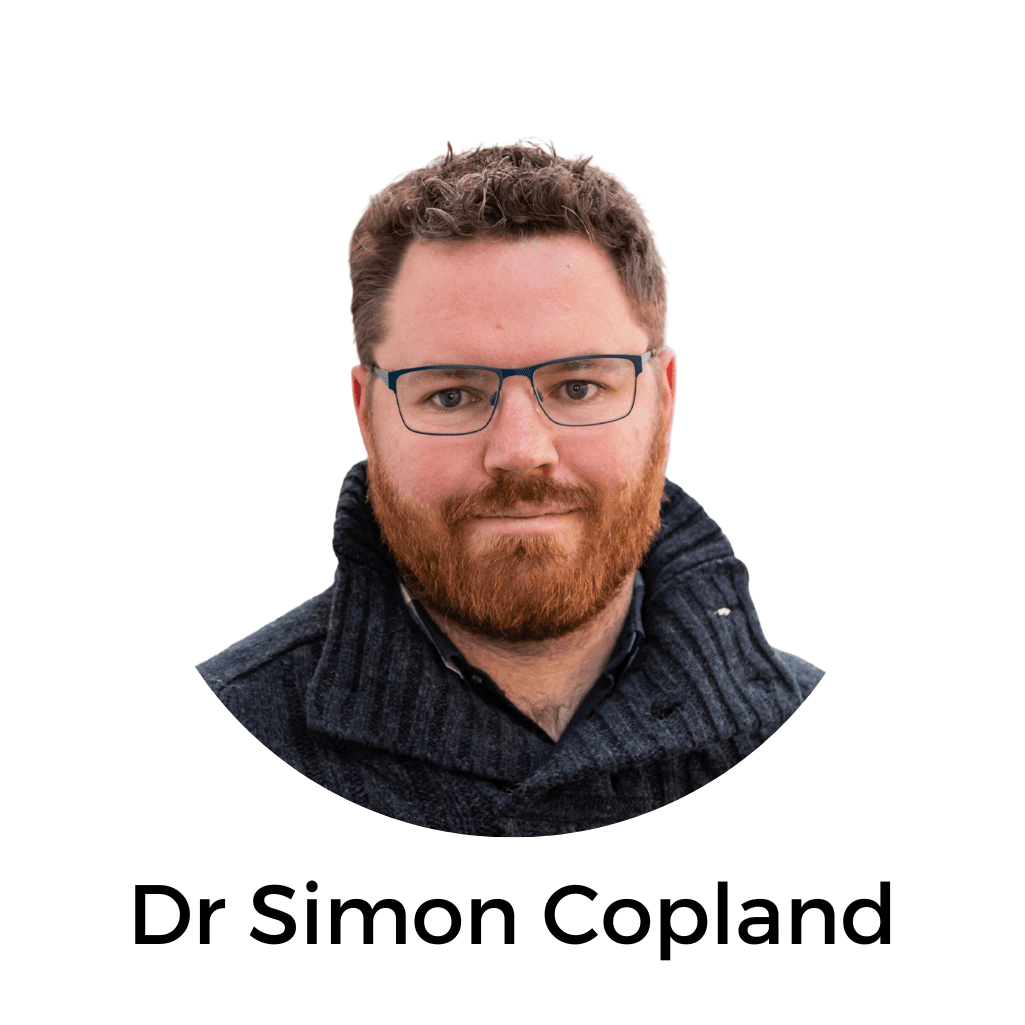
Dr Simon Copland – Researcher, Australian National University
Dr. Simon Copland is a researcher at the Australian National University, focusing on violent extremism, misogynist groups online, and white supremacy. He is the author of the book The Male Complaint: The Manosphere and Online Misogyny.

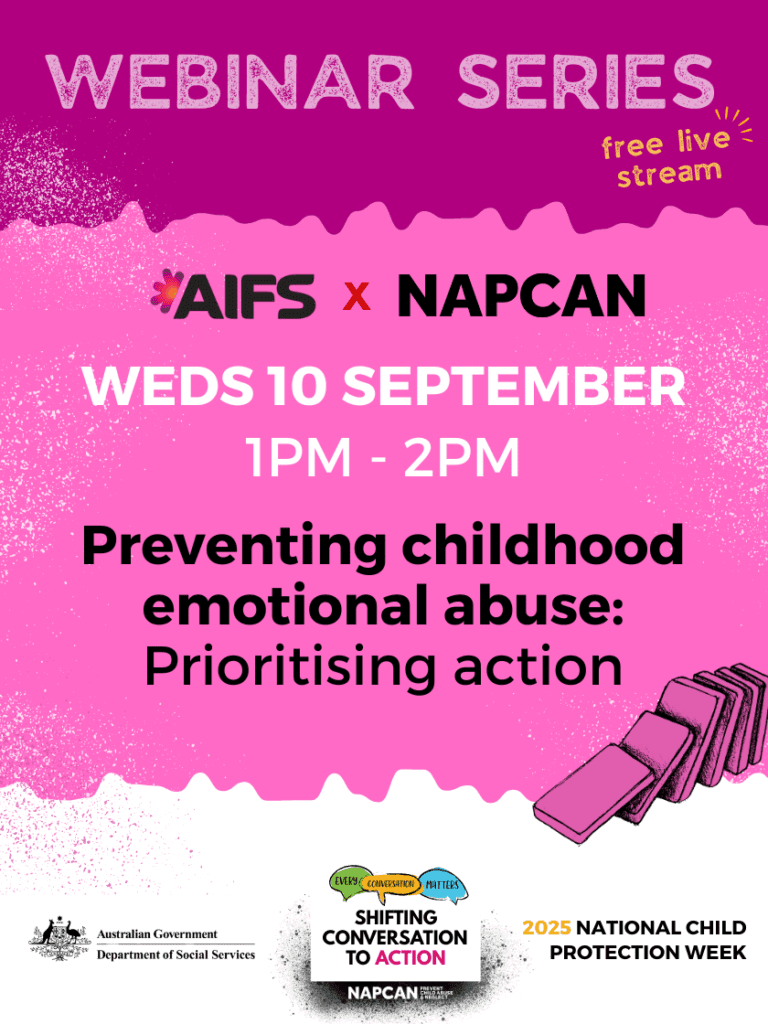

In partnership with Australian Institute of Family Studies.
This webinar will explore how we can improve our response to emotional abuse and the role parenting support can play in prevention.
We’re pleased to announce the topic and panel for the webinar we are producing in partnership with NAPCAN this year for National Child Protection Week (7–13 September).
This year we’ll be picking up the conversation from our National Child Protection Week webinar from 2023 on preventing childhood emotional abuse and the role of parenting and family supports.
It’s always a big week for NAPCAN and the sector and we’re very proud to be involved again.
Greg Antcliff (Moderator) – Chief Operating Officer, NAPCAN
Greg is a registered psychologist and Chief Operating Officer (COO) at NAPCAN (National Association for Prevention of Child Abuse and Neglect), where he oversees operations and strategic initiatives to protect children and youth in Australia. His leadership centers on advancing evidence-informed practice in child protection and primary prevention efforts.
Ben Mathews – Distinguished Professor, Queensland University of Technology
Ben is a Distinguished Professor in the School of Law at Queensland University of Technology.
For 25 years he has conducted multidisciplinary research into child maltreatment. His research has influenced legal and systemic reforms in Australia and overseas to improve ways of preventing, identifying and responding to child maltreatment.
He has served on two World Health Organization Guideline Development Groups on Health Sector Responses to Child Maltreatment.
He is the Lead Investigator of the Australian Child Maltreatment Study, which identified the national prevalence of all five forms of child maltreatment, and their associated mental health disorders, health risk behaviours, and burden of disease. The ACMS generated landmark evidence about the prevalence and associated outcomes of different types of child maltreatment, but also pinpointed how we can improve prevention of child maltreatment in future generations.
Sophie Havighurst – Child clinical psychologist and Leader of Tuning in to Kids at Mindful: Centre for Training and Research in Developmental Health, University of Melbourne
Professor Sophie Havighurst is a child clinical psychologist and Leader of the Tuning in to Kids program.
For over 25 years, in collaboration with co-creator Ann Harley and their team of researchers, trainers and students, they have developed parenting programs that support children’s emotional development, conducted research evaluating these, and helped to make these widely available to those who work with families.
Sophie is the Chair of the Parenting and Family Research Alliance (PAFRA), a multidisciplinary research collaboration of experts from leading universities and research centres actively involved in conducting research, communication and advocacy pertaining to parenting, families and evidence-based parenting support.
She is also a Co-Convenor of the End Physical Punishment of Australian Children (EPPAC) advocacy group, made up of 160 members are working to change the laws that allow parents to use corporal punishment with children.
Emma Carmody – Senior Practice Design Specialist, Parenting Research Centre
Emma is a Senior Practice Design Specialist at the Parenting Research Centre and is currently completing her Master of Social Work.
She brings close to 20 years’ experience in the child and family sector, with a strong foundation in child protection and a specialist focus on domestic and family violence. Emma has supported practitioners across systems to embed evidence-informed approaches that centre the safety and wellbeing of children and families.
She specialises in translating research into practical frameworks, tools, and training, and has led the development of domestic and family violence practice models co-designed with practitioners, children, and young people.
Emma brings a trauma-informed, reflective lens to her work and is passionate about strengthening practice through collaboration, capability building, and systems change.

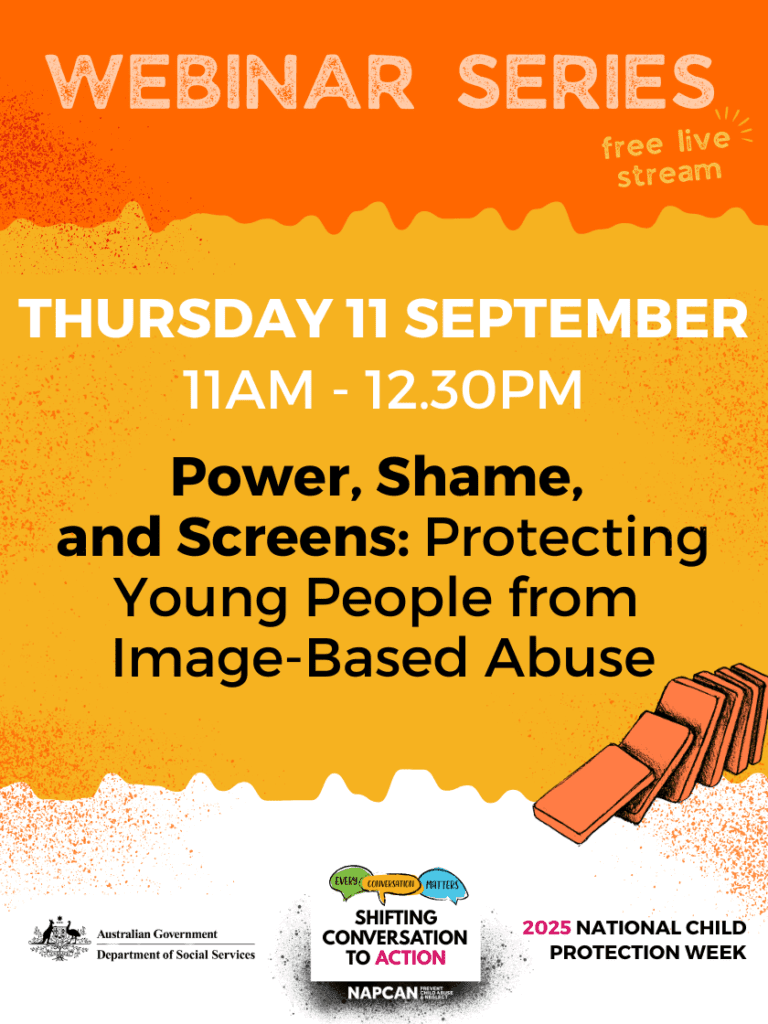

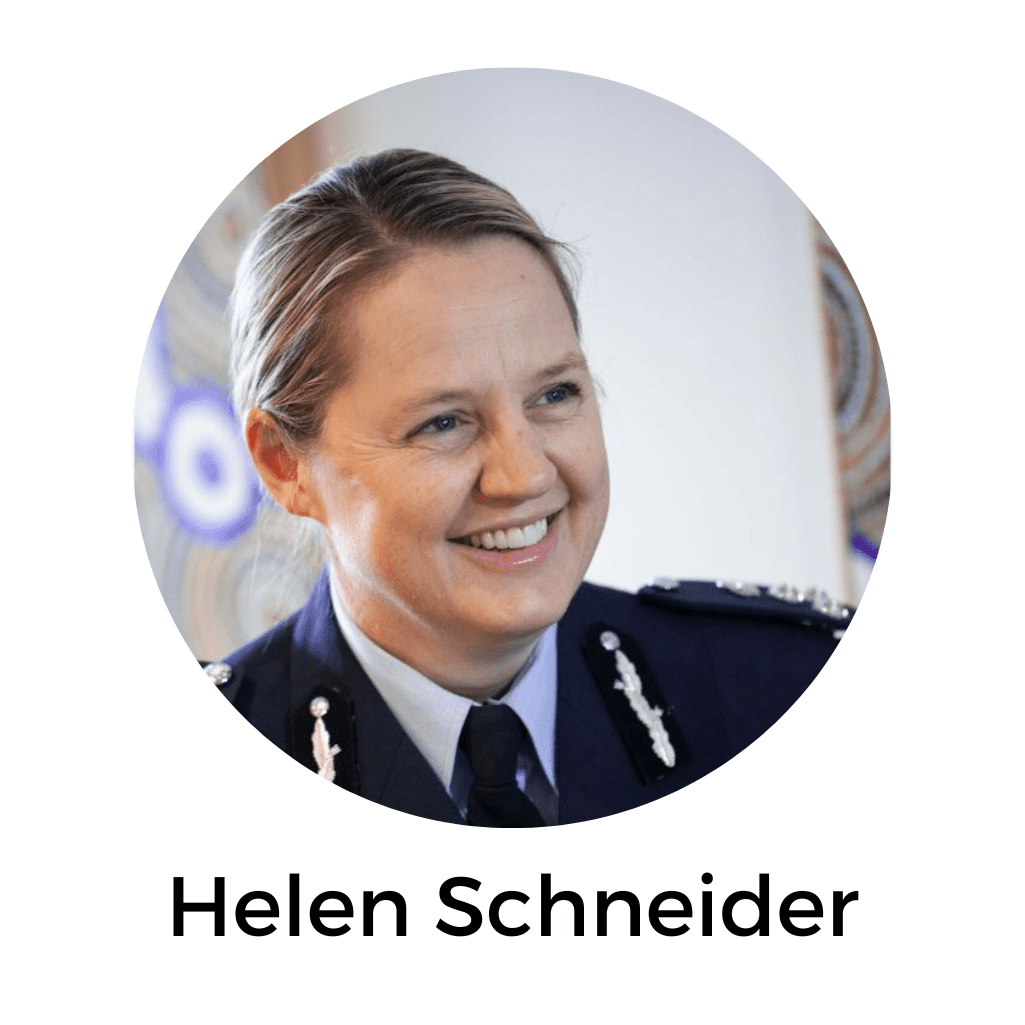
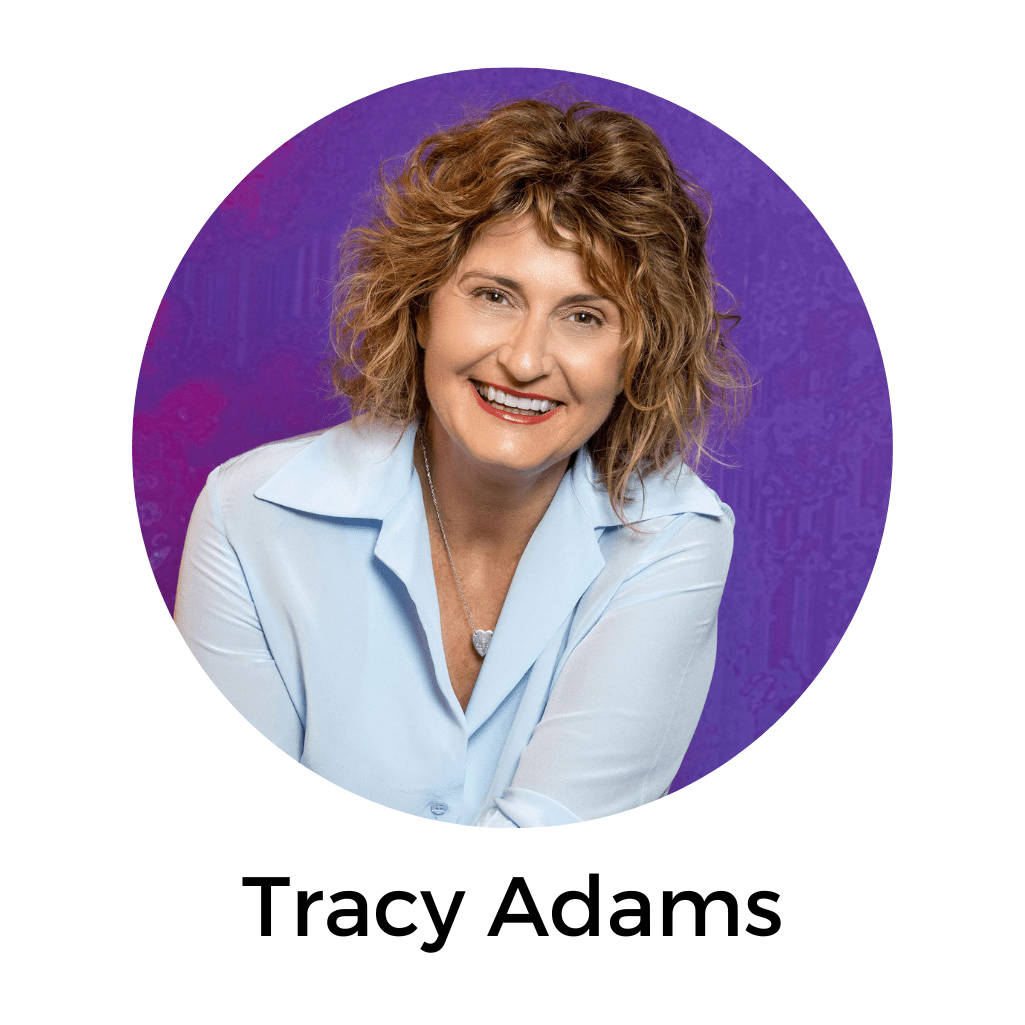
Young people are growing up in an increasingly complex digital world, one where image-based abuse is becoming disturbingly common. But behind the headlines are real lives, real harm, and real opportunities for change. This webinar is your chance to step into a conversation that goes beyond awareness and into action. Bringing together experts from across education, youth services, and law, we’ll unpack the growing threats facing young people online and offer tangible, trauma-informed strategies for prevention, response, and recovery. Together, we’ll explore how to build digital literacy, encourage consent-based online behaviour, and reduce the shame and stigma that prevent young people from speaking up. We’ll also highlight what compassionate, early intervention looks like, at home, in classrooms, and across communities. This session will add a powerful depth to a topic that urgently needs our attention and empathy.
Libby Payne – Consent and Respectful Relationships Educator, NAPCAN
Libby Payne (she/her) is a consent and respectful relationships educator that delivers NAPCAN’s Love Bites Facilitation training to community workers across Australia. Outside of this role she utilises her lived experience of image-based abuse in her advocacy work with the Domestic Family and Sexual Violence Commission, and Full Stop Australia. In 2023 she was awarded with the Social Impact in Education Award by Central Coast Council for her work in educating over 2,500 young people in RRE and is currently completing postgraduate studies in Sexology.
Jess Stone – Youth Council Member (NYSO), NAPCAN
Jess Stone is a multi-award-winning youth advocate, policy leader and survivor working to prevent child abuse.
Her recent work includes advising the eSafety Commission and the Daniel Morcombe Foundation on their respective in-development technology-facilitated abuse resources.
Jess serves as a Youth Advisor to NAPCAN, Orygen, the Raise Foundation, DMF, and the U.S. Consulate, and holds leadership roles with SDSN Youth, the World Economic Forum’s Global Shapers, and Future Forward Australia.
Helen Schneider – Commander, Human Exploitation for the Australian Federal Police
Helen Schneider is the Commander of Human Exploitation for the Australian Federal Police (AFP) and lead for the AFP-led Australian Centre to Counter Child Exploitation (ACCCE). In this role, Helen is responsible for leading the coordination and connection of partners to identify, prevent, disrupt and investigate human exploitation, including the online exploitation of children and modern slavery, with a focus on protecting and supporting victims, and removing them from harm.
Helen joined the Queensland Police Service in 1997, commencing in community policing and then progressing her career in investigation areas such as the Criminal Investigation Branch, Tactical Crime Squad, Queensland Joint Counter Terrorism Team and Homicide Investigation Unit.
Tracy Adams – CEO, yourtown.
Tracy has more than 30 years experience with yourtown, (Kids Helpline) and was appointed CEO in 2008. Tracy has overseen significant company growth, including expansion of services to children and young people, as well as a greatly enhanced advocacy agenda, including contributions to reforms related to child protection. Tracy has frequently addressed Government enquiries into the welfare of Australian children and young people, and regularly contributes to social commentary on issues that are affecting their lives through interaction with the media.
Tracy holds a number of board positions, and has been and remains a member of child protection committees across multiple jurisdictions.